

Understanding the Partial Reopening of the Rafah Crossing Impacts and Implications
The border crossing has partially reopened with strict controls and initial circulation limits, with humanitarian and logistical impacts.
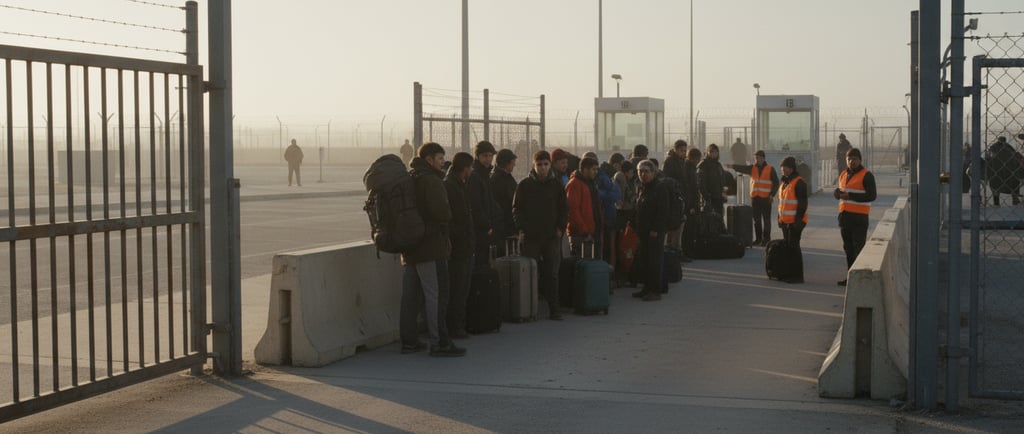
Overview of the Rafah Crossing
The Rafah Crossing serves as a crucial gateway between Gaza and Egypt, facilitating the movement of people and goods. This border crossing is not only significant for trade but also for the humanitarian needs of the Palestinian population in Gaza. Historically, the Rafah Crossing has been the sole conduit for the residents of Gaza to interact with the outside world, especially since the blockade imposed in 2007. This blockade has severely restricted the flow of goods and provided limited opportunities for travel, making the crossing an essential lifeline for many.
The crossing is located on the southern edge of the Gaza Strip and is managed by the Egyptian authorities. It is subject to frequent closures and restrictive measures depending on the political climate in the region. The operational status of the Rafah Crossing often reflects the broader geopolitical tensions that exist, affecting its accessibility for humanitarian aid, medical transfers, and everyday travel for Gazan residents seeking work, education, or family connections.
Throughout its history, the Rafah Crossing has witnessed periods of relative openness and surge in congestion, influenced by various regional dynamics and international involvement. While the crossing has been pivotal for facilitating aid and travel, it has also been a focal point for the ongoing Israeli-Palestinian conflict, highlighting struggles over sovereignty, control, and human rights issues that continue to shape the daily lives of those in Gaza. The significance of the Rafah Crossing extends beyond its immediate geographic location as it encapsulates the intertwined narratives of resilience, aspiration, and suffering experienced by the Palestinian people.
Current Situation: Partial Reopening Details
The Rafah crossing, a critical gateway between Gaza and Egypt, has recently witnessed a partial reopening, aimed at alleviating some of the humanitarian challenges faced by residents in the region. This decision has prompted new procedures that travelers must follow to facilitate movement between these two areas. As of now, the partial reopening permits a limited number of individuals to cross the border, primarily those seeking medical assistance, education, or family reunification.
The schedule for crossing is now more structured, with specified days allocated for different categories of travelers. These days are likely to vary weekly, and it is essential for individuals planning to use the crossing to stay informed about relevant updates. The unique nature of the partial reopening means that not all wanting to cross will be able to do so, as priority is given to those in urgent need. In addition to this, substantial restrictions remain in place to ensure safety and security at the crossing point. For instance, travelers are advised to prepare essential documentation, such as identification and any necessary medical records, to streamline their entry process.
Furthermore, the entry criteria have evolved; travelers must now register in advance and include all necessary information regarding their intended purpose for crossing. This pre-approval process aims to manage the flow of individuals and minimize potential disruptions. It is recommended that prospective travelers check official channels for the most current information, as procedures may change frequently depending on the political climate and security situation in the region.
Overall, while the partial reopening of the Rafah crossing signifies a step towards greater accessibility, it comes with complexities that demand careful attention from those wishing to travel. The evolving nature of this process underscores the significance of reliable and timely communication regarding crossing conditions.
Strict Controls and Security Measures
The Rafah Crossing, a significant point of passage between Gaza and Egypt, has been subject to rigorous security measures aimed at managing the flow of people while ensuring national security. The implementation of these strict controls is largely a response to past security concerns and continues to evolve in light of the ongoing geopolitical context. Travelers seeking passage through this crossing encounter a range of security checks that often start before they even arrive at the point of entry.
Upon arrival at the Rafah Crossing, individuals must initially present valid identification and any necessary documentation that verifies their eligibility to cross, such as travel permits or humanitarian aid grants. This initial verification is followed by more stringent screening processes, which often include biometric data collection, bag inspections, and detailed questioning by security personnel. These measures are put in place to mitigate risks associated with potential infiltration or the transport of contraband and are perceived as essential for maintaining the integrity of this critical gateway.
While these controls are aimed primarily at ensuring safety, they raise significant implications for privacy and humanitarian access. The intense scrutiny can lead to delays and frustrations for travelers, particularly those seeking essential medical treatment or those fleeing conflict. Humanitarian workers often face similar obstacles, as stringent checks can limit the timely distribution of aid to those in need. As such, while the security measures are positioned as necessary for protection, they simultaneously reflect a complex balance between security needs and the pressing humanitarian rights of individuals requiring access to essential services and support. The atmosphere of immediacy often clashes with these security protocols, sparking ongoing debate around the intersection of security, privacy rights, and humanitarian access at the Rafah Crossing.
Humanitarian Impact: Aid and Resources
The partial reopening of the Rafah Crossing has provided a critical opportunity for humanitarian organizations to deliver much-needed aid to the Gaza Strip. Under the new regulations, aid shipments face a series of restrictions designed to enhance security while still allowing for the flow of essential resources. This reopening marks a significant development amidst an ongoing humanitarian crisis, where access to food, medical supplies, and basic necessities remains a pressing concern.
Despite the limitations, various international and local NGOs have adapted their operations to comply with the new guidelines. For instance, shipments of humanitarian aid are now categorized according to priority levels, allowing for a more streamlined process. Operational adjustments have enabled these organizations to maximize the effectiveness of their deliveries, focusing on critical needs such as food, water purification systems, and medical supplies necessary for hospitals and clinics treating the population.
The types of shipments permitted through Rafah primarily include items that cater to immediate humanitarian needs, such as non-perishable food items, hygiene kits, and health-related equipment. Moreover, organizations are required to provide detailed documentation to facilitate the clearing process, thereby minimizing potential delays. These changes have fostered a more organized approach to aid distribution, albeit with the significant challenge of transportation logistics and the need for additional resources to ensure safe delivery.
Moreover, the partial reopening also creates an impact on collaboration between various aid organizations and local authorities, strengthening the coordination needed to address the ongoing shortages faced by the population in Gaza. Overall, the optimistic progress from this reopening can potentially pave the way for additional advancements in humanitarian assistance, although it remains essential to constantly reassess the evolving situation and any potential hurdles that may arise.
Logistical Challenges Ahead
The recent partial reopening of the Rafah Crossing presents a complex set of logistical challenges that must be addressed to facilitate effective aid delivery and flow of goods into Gaza. One of the foremost issues stems from the limited operational capacity of the crossing itself. Despite its reopening, the crossing is not functioning at full capacity, resulting in delays and longer queues for vehicles carrying essential supplies. This bottleneck significantly hampers the timely delivery of aid and exacerbates the humanitarian conditions faced by the local population.
Furthermore, the partial reopening creates bottlenecks that affect various stakeholders involved in the aid delivery process. Non-governmental organizations and humanitarian agencies often struggle to coordinate schedules and transport, leading to inefficiencies. Moreover, the limited availability of transport vehicles exacerbates this situation, as there may not be enough trucks or resources to handle the volume of aid that needs to be delivered during this critical period.
Another significant implication of these challenges is the impact on local supply chains within Gaza. Local businesses depend heavily on the importation of goods and raw materials through the Rafah Crossing. As operational restrictions persist, businesses find it increasingly difficult to maintain their stock levels and services, which leads to inflation and shortages of essential consumer goods. Therefore, the reestablishment of a robust supply chain is crucial for the economic recovery and stability of the region.
Ultimately, the logistical challenges of the Rafah Crossing's partial reopening are interwoven with broader humanitarian and economic concerns. Addressing these challenges is essential not only for the immediate needs of the population but also for the long-term sustainability of local economies.
Reactions from Stakeholders
The recent partial reopening of the Rafah Crossing has elicited a variety of responses from numerous stakeholders, reflecting the multifaceted implications of this development for the region and beyond. Local residents, particularly those affected by the persistent blockade on Gaza, have expressed a mix of hope and skepticism regarding the effects of the crossing's reopening. Many families remain eager for access to essential goods and services that have been long denied due to border restrictions. However, some residents have raised concerns about the limited nature of the opening, questioning whether it will genuinely alleviate the humanitarian crisis or simply provide a temporary relief.
Humanitarian organizations have largely welcomed the adjustment to the crossing's status, recognizing it as a necessary step towards alleviating the dire needs of Gazans. Agencies like the United Nations Relief and Works Agency (UNRWA) emphasized the importance of unfettered access to aid and medical supplies, reiterating their commitment to supporting those impacted by ongoing conflicts and restrictions. Nonetheless, they cautioned that a partial reopening might not suffice to meet the region's extensive humanitarian demands, urging for a more comprehensive approach to ensure sustainable access for trapped populations.
The Egyptian government’s stance has also been noteworthy, as it plays a pivotal role in border management. Officials have communicated their commitment to facilitating the passage of essential goods while still emphasizing the need for security measures. This dual approach reflects their complex position, balancing humanitarian imperatives with regional stability considerations. International entities, including the United Nations and various non-governmental organizations, have expressed admiration for Egypt's efforts, although they continue to advocate for more substantial changes to improve the overall humanitarian situation in Gaza. The combination of these responses underscores the intricate dynamics at play regarding the Rafah Crossing and the broader implications for regional stability and humanitarian relief.
Future Outlook and Developments
The Rafah crossing, serving as a critical junction for the movement of people and goods between Gaza and Egypt, is poised for potential changes that may significantly impact the region's socio-economic fabric. As the situation develops, attention is increasingly focused on several key areas: anticipated policy shifts, negotiations surrounding border control, and the overall implications for Gaza's humanitarian needs and economic recovery.
One of the foremost considerations is the prospect of policy adjustments from Egyptian authorities. Historically, the Rafah crossing's operational status has fluctuated based on various political dynamics. Numerous stakeholders anticipate a more favorable opening strategy that provides a longer-term solution to movement restrictions. These changes could stem from increased diplomatic engagements between Hamas and Egypt, with negotiations potentially focusing on border management and tightening security regulations for smoother operation.
In parallel with policy discussions, the economic implications of a partially reopened Rafah crossing cannot be overstated. A consistent and secure transit route could facilitate a greater inflow of goods, thus boosting local markets and reducing the dire economic pressures currently faced by Gaza residents. Improved access to essential supplies would contribute towards alleviating the humanitarian crisis, which has been exacerbated by years of blockade and conflict.
Looking further ahead, the long-term ramifications of these developments hinge on the sustained cooperation between regional players and adherence to international guidelines aimed at protecting civilian lives. Policymakers must remain cognizant of the complexities surrounding aid distribution, ensuring that any improvements at the Rafah crossing translate into tangible benefits for Gaza's populace. Ultimately, the focus will need to be on fostering stability in the region while addressing humanitarian needs and revitalizing the economy through targeted, sustainable initiatives.
MSM GLOBAL NEWS
Follow news and analysis accurately.
All rights reserved MSM GLOBAL NEWS© 2026.