

Nepal's Crackdown on Fraudulent Himalayan Rescues What You Need to Know
Authorities are investigating allegations of sham/irregular rescues to obtain insurance payouts, resulting in arrests and repercussions for mountain tourism.
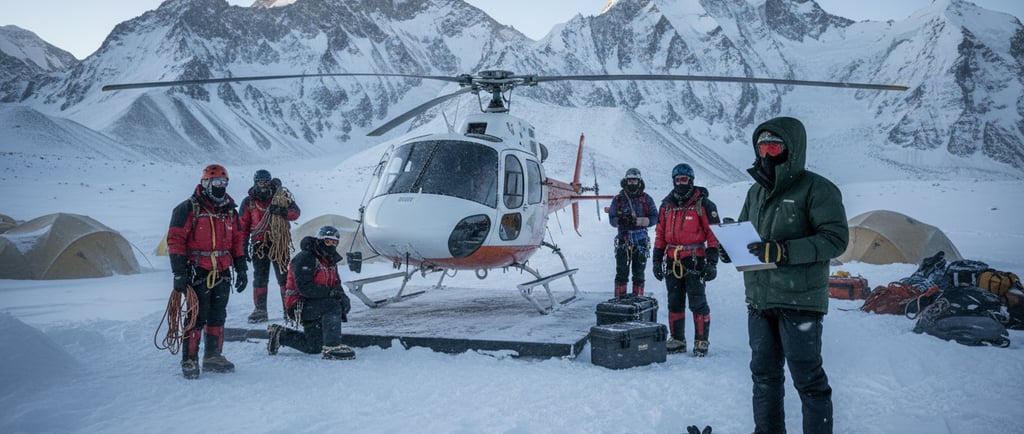
Introduction to the Investigation
The recent investigation into fraudulent rescue operations in Nepal has emerged in response to growing concerns regarding the integrity of the country’s tourism sector. This inquiry has garnered significant attention due to increasing reports of dubious rescue incidents, which have raised alarm bells among tourists, stakeholders, and government authorities alike. In light of these developments, it has become evident that the need for regulatory measures to uphold the standards of the tourism industry is more pressing than ever.
Prior to the crackdown, numerous accounts surfaced detailing how these fraudulent operations allegedly lured unsuspecting trekkers and climbers into believing they were in dire need of rescue. Reports indicated that some unscrupulous operators would create scenarios—such as equipment malfunctions or exaggerated health risks—to justify charging exorbitant fees for rescue services that were often unnecessary. Such practices not only posed a significant financial burden on tourists but also undermined the reputation of legitimate rescue organizations and the broader Himalayan tourism ecosystem.
The motivations behind the investigation are multifaceted. On one hand, the tourism industry, which is a vital contributor to Nepal's economy, has expressed concerns about the detrimental effects of these fraudulent activities on their business. On the other hand, there has been a public outcry demanding accountability and transparency to ensure the safety of both tourists and local communities. As a result, government agencies have begun to scrutinize operations in the region, aiming to identify and dismantle networks engaging in such fraudulent practices. The ultimate goal of this investigation is to restore confidence in Nepal's adventure tourism sector and to protect the interests of genuine rescuers, ensuring that the safety of adventurers is prioritized.
The Arrests and Key Players Involved
The crackdown on fraudulent Himalayan rescues in Nepal has led to significant arrests of key individuals within the mountain rescue industry. Authorities have apprehended several executives from prominent organizations, including tour operators and rescue service providers. These individuals have been identified as pivotal players in orchestrating deceptive practices that have compromised the safety of climbers and tarnished Nepal's reputation as a premier mountaineering destination.
Among those arrested is the director of a leading rescue operation company, who is accused of falsifying rescue claims to secure government insurance payouts. Testimonies from former employees and climbers have corroborated allegations that this executive manipulated rescue reports, inflating the number of distress calls to maximize profits. Additionally, information obtained from internal documents included records of inflated fees charged to clients for rescues that were either unnecessary or grossly exaggerated.
Other key figures include an operations manager from another rescue service who was also implicated in these unlawful activities. Evidence against this individual includes data analytics revealing inconsistencies between reported rescue operations and actual incidents in the field. Furthermore, witness accounts indicate that the manager delivered misleading information to prospective clients, luring them into purchasing rescue services under dubious pretenses, ultimately endangering lives.
This series of arrests is a significant blow to an industry already struggling with credibility issues. These actions highlight the broader concern regarding oversight and regulation in the Himalayan rescue sector, where a lack of transparency has allowed for malpractice to flourish unchecked. As investigations continue, the hope is that stricter regulations will emerge, feeding into a more ethical framework for mountain rescues in Nepal, ensuring that climbers receive genuine assistance when they need it most.
In recent months, serious allegations have surfaced concerning fraudulent Himalayan rescues, implicating various executives and companies within the adventure tourism sector in Nepal. These accusations suggest a pattern of deceit, where individuals purportedly orchestrated sham rescues solely for the purpose of financial gain through insurance payouts. Understanding the nature of these fraudulent rescues is crucial in grasping their implications on the broader landscape of real rescue operations.
Fraudulent rescues are characterized by the false pretenses under which they are conducted. Typically, these sham operations involve misleading claims about the condition and whereabouts of clients, claiming emergencies that do not exist, or exaggerating the peril faced by adventurers in the mountains. To execute these scams, certain companies allegedly colluded with guides and local operatives who would feign distress to facilitate unnecessary interventions. In some instances, clients may have no knowledge of their involvement in these deceitful schemes.
The mechanism behind these fraudulent claims often revolves around insurance policies that cover rescue costs. By submitting inflated or fictitious scenarios of danger, these companies could secure hefty insurance settlements upon executing unnecessary rescues. Expert opinions regarding these allegations stress that if proven, they would not only undermine the trust in specific adventure tourism companies but also jeopardize the reputation of all legitimate rescue operations in the Himalayas. This erosion of credibility could result in a chilling effect on real rescue endeavors, where genuine cases may be met with skepticism, potentially putting lives at risk.
In essence, the allegations point to a significant breach of ethical conduct within the sector. By dissecting these issues, stakeholders can better understand the urgency of reforming protocols and ensuring accountability, thus safeguarding the integrity of rescue services and protecting those who embark on Himalayan adventures.
Impact on Mountain Tourism in Nepal
The recent crackdown on fraudulent Himalayan rescues in Nepal is poised to have significant repercussions for the country's mountain tourism sector. Over the years, Nepal has established itself as a premier destination for trekkers and mountaineers seeking adventure amidst its majestic peaks. However, incidents of deception have tarnished this reputation, leading to a decline in public perception of safety and reliability.
As tourists become increasingly aware of reports regarding fraudulent rescue operations, many may reconsider their travel plans to Nepal. The possibility of encountering untrustworthy operators might deter potential visitors, particularly those who are new to trekking or have limited experience in mountain environments. The apprehension surrounding these fraudulent rescues could diminish the willingness of travelers to embark on expeditions, fearing that their safety may be compromised.
The consequences of this decline in tourist interest can extend beyond individual experiences. Local businesses that thrive on tourism, such as trekking companies, accommodation providers, and hospitality services, could face significant financial strain. Much of the local economy in mountainous regions is heavily reliant on the influx of trekkers, and reduced visitor numbers may leave many community members scrambling for alternative sources of income. Rural communities built on tourism can suffer severe setbacks, leading to an increase in local unemployment rates and economic instability.
Furthermore, negative perceptions of safety and fraudulent practices can lead to increased scrutiny from international tourism authorities. In response, stakeholders in the mountain tourism industry must work collectively to ensure safety regulations are adhered to and that trust is rebuilt with the traveling public. Strong management and compliance measures can help restore Nepal’s image as a safe and popular trekking destination, which is paramount for sustainable economic growth.
Responses from Authorities and the Tourism Sector
The investigation into fraudulent rescues in Nepal has prompted significant responses from various authorities, including the Ministry of Tourism and local law enforcement agencies. In light of the alarming reports regarding the misuse of emergency services and fraudulent activities, the Ministry has expressed its commitment to reevaluate existing regulations and enhance oversight of rescue operations. Officials have acknowledged the negative impact such fraudulent activities could have on Nepal’s reputation as a secure trekking destination, thus underscoring the need for immediate corrective measures. Additionally, law enforcement agencies have initiated inquiries to identify key perpetrators, intending to hold accountable those who exploit the vulnerabilities of trekkers in distress.
In tandem with government responses, the tourism sector has also been proactive in addressing the concerns raised by these fraudulent rescue allegations. Trekking companies and guides have begun formulating strategies to bolster safety measures and increase transparency within their operations. Many companies are now implementing rigorous screening processes to ensure that only licensed and trustworthy guides are employed, thereby reinforcing the safety net for trekkers. Furthermore, workshops and informational sessions are being organized, aimed at educating both tourists and locals about the signs of fraudulent practices and the importance of adhering to established protocols for rescues.
The collaboration between authorities and the tourism sector is pivotal in restoring trust and reinforcing the integrity of Nepal’s trekking industry. Through shared efforts, both parties are working diligently to foster an environment where safety is prioritized, and transparency is the norm. This alignment will not only enhance the overall experience of trekkers but will also significantly contribute to the sustainable growth of Nepal's tourism industry amidst the growing concern over fraudulent activities.
Measures to Prevent Future Fraud Cases in the Rescue Sector
In light of the recent fraudulent activities that have marred the integrity of rescue missions in Nepal, it is imperative to implement robust measures that can effectively mitigate such occurrences in the future. One of the most pressing initiatives is the introduction of stricter regulations governing the rescue sector. These regulations should delineate the operational standards that rescue companies must adhere to, creating a framework that emphasizes accountability and ethical practice.
Additionally, enhancing transparency in pricing and operations is essential for restoring public trust. By mandating that rescue organizations clearly display their pricing structures and operational protocols, stakeholders can make informed decisions. This level of transparency not only deters fraudulent practices but also empowers clients to demand accountability from service providers. Furthermore, a centralized platform detailing legitimate rescue operations and their procedures could serve as a valuable resource for adventurers seeking assistance.
Technological advancements can also play a pivotal role in combating fraud within the rescue sector. For instance, implementing GPS tracking for rescue missions would facilitate real-time monitoring, ensuring that operations are conducted as reported. Innovative solutions such as mobile applications can be developed to provide immediate access to verified rescue services, thereby minimizing the risk posed by fraudulent operators. Additionally, training for rescue personnel and partnerships with reputable organizations could enhance the overall efficacy and reliability of the services provided.
Finally, fostering a culture of whistleblowing among industry stakeholders will empower individuals to report suspicious activities without fear of retribution. Establishing a confidential reporting system can expose fraudulent practices while promoting a collaborative effort to uphold integrity in the sector. Collectively, these measures can significantly reduce the potential for fraud, facilitating a safer environment for all who embark on Himalayan adventures.
Conclusion: The Road Ahead for Nepalese Rescues and Tourism
In light of recent investigations into fraudulent rescue operations in Nepal, the trajectory of both the rescue industry and the broader tourism sector appears uncertain. The government's crackdown on dubious practices has undoubtedly raised awareness regarding safety and accountability among operators. However, it remains to be seen whether this initiative will ultimately restore trust in Nepal's rescue services or if the damage has become irreversible.
The outcomes of this investigation catalyze a necessary dialogue about the future of tourism in Nepal. As the mountain nation is heavily reliant on trekking and adventure tourism, proper regulation of the rescue industry is critical. Enhanced oversight may improve safety protocols and establish professional standards that both protect tourists and elevate the national reputation.
Nonetheless, the path forward is laden with challenges. Regulatory bodies must not only enforce stricter compliance among rescue service providers but also actively engage in public education to inform tourists about legitimate services. The risk exists that potential visitors may reconsider their plans to trek in Nepal, fearing the ramifications of previous scams. Thus, rebuilding trust will require comprehensive reform initiatives alongside transparent communication strategies.
Moreover, as stakeholders in the tourism sector navigate this transitional period, collaboration will be essential. Local authorities, adventure tour operators, and international organizations need to work together to ensure that safety becomes a priority while fostering an environment of mutual respect and integrity. This approach will serve to bolster confidence in Nepal as a premier trekking destination.
In conclusion, while the crackdown on fraudulent rescuers presents an opportunity for positive change, it will necessitate concerted efforts across multiple fronts to instill confidence and ensure the safety of both tourists and the local population. The road ahead, though fraught with challenges, holds the potential for a more sustainable and trusted tourism industry in Nepal.
MSM GLOBAL NEWS
Follow news and analysis accurately.
All rights reserved MSM GLOBAL NEWS© 2026.