

Zelenskyy's Call for European Engagement and Stricter Sanctions at Munich Security Conference
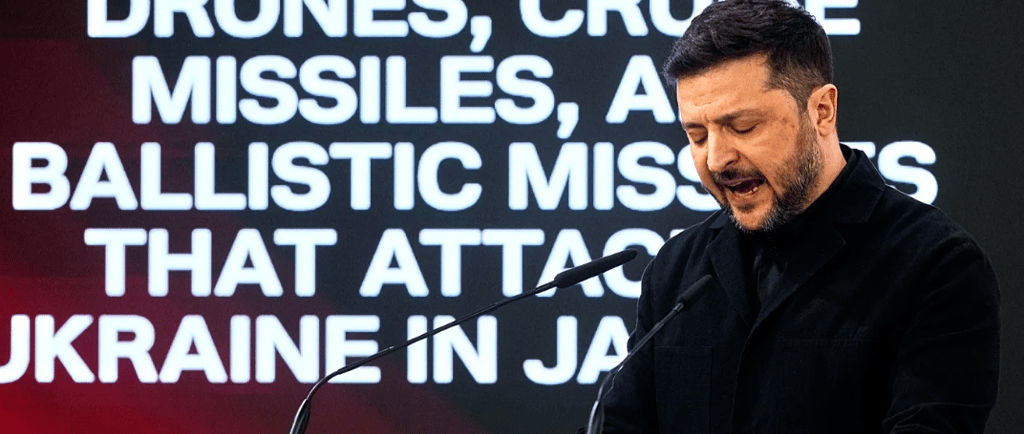
Ukrainian President Volodymyr Zelenskyy stated at the Munich Security Conference that it is a "big mistake" for European leaders to practically not participate in the US-mediated peace talks to end the war against Russia. Zelenskyy called for stricter measures against the "shadow fleet" of Russian oil tankers – described as Moscow's "floating wallets" – and said he was open to holding elections in Ukraine, but conditioned the vote on an effective ceasefire in the conflict.
Introduction
The Munich Security Conference (MSC) has long been recognized as a pivotal platform for dialogue on international security issues. Established in 1963, this annual gathering brings together eminent leaders from across the globe, including heads of state, foreign ministers, and defense officials. Its significance extends beyond mere discussions; it functions as a catalyst for collaboration among nations, seeking to address pressing global challenges, from military conflicts to terrorism.
This year, the conference holds particular importance, given the ongoing conflict in Ukraine. The MSC serves as a crucial venue for leaders to engage with one another on strategies to enhance security and stability in Europe. As tensions escalate, the necessity for diplomatic dialogue becomes increasingly evident. The participation of a diverse range of stakeholders allows for a more comprehensive understanding of the multifaceted nature of security threats facing the continent.
Moreover, the MSC fosters an environment conducive to forging alliances and reinforcing commitments among nations. The recent developments in Ukraine underscore the urgent need for collaborative efforts to address both immediate crises and long-term security strategies. As political leaders convene in Munich, the anticipated discussions regarding sanctions and military support reflect a critical turning point in international security policy.
In light of the ongoing geopolitical climate, the Munich Security Conference in 2023 is not just another event on the global agenda; it represents an essential opportunity for nations to realign their priorities and work collectively toward solutions that stabilize the European region. The dialogues that emerge from this conference may very well shape the future of international relations in the context of European security and the broader implications of global peace efforts.
During the recent Munich Security Conference, President Volodymyr Zelenskyy articulated significant concerns regarding the apparent disengagement of European leaders in US-mediated peace talks aimed at resolving the ongoing conflict in Ukraine. This critique underscores a growing apprehension about the implications of such inactivity, particularly concerning Ukraine's security, European unity, and the overall geopolitical landscape.
Zelenskyy emphasized that the absence of active participation from European states in these talks not only hampers diplomatic efforts but also threatens the stability of Ukraine. The Russian aggression against Ukraine remains a pressing issue that impacts the entire European continent. By not engaging in collaborative discussions, European leaders risk undermining the collective response required to confront this security challenge. The ongoing conflict has tangible repercussions that resonate beyond Ukraine’s borders, affecting trade, migration, and regional security dynamics.
This disengagement can also lead to a fragmentation within Europe itself, where differing priorities may emerge as member states choose their own paths in the absence of a unified approach. Zelenskyy’s statements serve as a reminder of the need for European countries to align their foreign policies and support mechanisms. Strengthening the European response is vital not only for Ukraine's recovery and security but also for sustaining European unity.
Furthermore, the overall geopolitical landscape is influenced by Europe’s commitment to address the challenges posed by geopolitical rivals. Zelenskyy's critique highlights the necessity for European leaders to reconsider their current strategies and increase their involvement in discussions surrounding peace and conflict resolution. A robust European engagement, fostered by unity and collaboration, is essential for navigating the complexities of global diplomacy and ensuring a stable and secure future for the continent.
The term ‘shadow fleet’ refers to the network of oil tankers operating outside of the usual regulations and oversight, primarily to circumvent sanctions imposed against Russia. These vessels, often older and less scrupulously maintained, are particularly adept at hiding their activities, allowing them to transport Russian oil under the radar of international sanctions. This fleet is crucial for Russia, enabling it to sustain its oil revenues, which are integral in funding various state operations, including military endeavors.
These tankers function as ‘floating wallets’ for Moscow, facilitating the sale of oil at discounted rates to countries willing to overlook ethical considerations in exchange for lower prices. The concept of the shadow fleet operates on the principle of obscurity, where the ownership and true destinations of these vessels are deliberately concealed. Companies usually use complex webs of ownership to mask their affiliations, making tracking the flow of Russian oil exceedingly difficult.
The significance of the shadow fleet extends beyond mere revenue generation. By maintaining a steady flow of oil, Russia can support its military operations, ensuring that its forces are well-resourced, especially during times of conflict. This continuous financial support not only fuels military capabilities but also prolongs the ongoing hostilities, complicating international efforts toward establishing peace.
The existence of the shadow fleet is a pressing concern for nations advocating for stringent sanctions against Russia. It raises questions about the effectiveness of current measures and highlights the necessity for a more robust and coordinated international approach to address the challenges posed by such covert operations. Enhanced surveillance and collective pressure from the global community may be crucial to dismantling the infrastructure supporting this shadow fleet and, by extension, curtailing Russia's military financing.
Proposed Stricter Measures Against the 'Shadow Fleet'
During the recent Munich Security Conference, Ukrainian President Volodymyr Zelenskyy highlighted the critical need for more stringent sanctions directed at the so-called 'shadow fleet'—a term that refers to various unregulated and opaque oil tankers that are being used to circumvent existing sanctions on Russian oil exports. These tankers represent a significant challenge to the international sanction regimes aimed at undermining the financial resources available to the Russian government as it continues its military operations in Ukraine.
Zelenskyy's proposal includes a comprehensive approach that calls for the implementation of embargos on the shipping companies that operate the clandestine fleet, along with enhanced maritime surveillance. This would involve not only tracking the movements of these vessels through advanced technologies but also employing naval forces to ensure that any breaches of the sanctions are promptly addressed. By increasing surveillance and enforcement measures in key shipping routes, countries can collaborate more effectively to stem the flow of Russian oil, which is vital for the country's economy.
The anticipated impact of these stricter measures on the Russian economy could be substantial. By limiting access to international markets for their oil exports, Russia would face further financial strain, complicating its ability to fund the ongoing war efforts. Furthermore, as home countries of the implicated shipping companies face increasing international pressure, the hope is that this will motivate them to comply with the sanctions more actively and contribute towards global stability.
Overall, President Zelenskyy's call for action at the Munich Security Conference shines a light on the necessity of international cooperation in curtailing the operational effectiveness of the 'shadow fleet' and targeting the financial lifelines of those who support the Russian military agenda.
Zelenskyy's Stance on Holding Elections in Ukraine
President Volodymyr Zelenskyy has recently expressed a willingness to consider holding elections in Ukraine, emphasizing that a democratic process is essential for the nation’s future. However, he has signaled that any electoral activities must be contingent upon the establishment of a ceasefire in the ongoing conflict, which has had a significant impact on the stability of the country.
The situation in Ukraine, marked by the persistent threat of violence and territorial disputes, complicates any efforts to conduct fair and free elections. The war has not only devastated infrastructure and displaced millions but has also fostered a climate of uncertainty that challenges the democratic norms expected in elections. Zelenskyy recognizes that without a stable environment, the integrity of the electoral process could be compromised, leading to disputes over legitimacy and representation.
Zelenskyy’s proposal for elections is therefore not merely a political gesture; it reflects his commitment to restoring democracy and governance in a nation that has faced extreme adversity. He acknowledges the complexities surrounding the administration of elections in war-torn regions, suggesting that dialogue and international support may play critical roles in facilitating this process. The President indicates that foreign observation and assistance would be crucial to ensure that the elections are conducted fairly and transparently.
Furthermore, Zelenskyy’s stance illustrates his broader strategic aim to engage European allies and the wider international community in support of Ukraine’s sovereignty and democratic aspirations. The call for elections under a ceasefire also serves to reaffirm Ukraine’s commitment to democratic principles, even amidst the turmoil of war. By outlining these conditions, Zelenskyy is positioning Ukraine’s future on a foundation of civic engagement, assuming that peace can be reached and maintained. Any progress towards elections will be closely monitored, as the global community continues to watch Ukraine's efforts to rebuild and stabilize its governance structures.
Reactions from European Leaders and the International Community
Following President Volodymyr Zelenskyy's impassioned call for increased European engagement and more stringent sanctions at the Munich Security Conference, a range of responses emerged from European leaders and international organizations. Many leaders acknowledged the urgency of Zelenskyy’s appeal, emphasizing the necessity for a unified European front against aggression in Ukraine. This sentiment highlighted the critical role of solidarity among European nations, as they face the ongoing consequences of geopolitical tensions.
For instance, German Chancellor Olaf Scholz remarked on the importance of a consolidated European approach, arguing that collective action is imperative to counter the threats posed to regional stability. His statements reflect an understanding that divisions among European Union member states could inadvertently embolden adversaries. Conversely, some leaders exhibited hesitance to fully embrace Zelenskyy's proposals for immediate sanctions, citing concerns over the potential economic repercussions such measures could entail.
The stance of France also illustrated the complexity of this situation. French President Emmanuel Macron recognized the significance of deterrence but urged caution, calling for a balanced approach that considers both the immediate needs of Ukraine and the strategic implications for Europe’s development. Additionally, international organizations such as NATO expressed support for strengthening collective defense efforts, reiterating their commitment to Ukraine’s sovereignty while navigating the intricacies of broader geopolitical dynamics.
These reactions indicate a nuanced landscape, where the importance of unified action is juxtaposed with varying levels of willingness to engage in further confrontation with key global players. The potential for reluctance among certain European nations to aggressively pursue sanctions highlights the intricate balancing act that must be managed in response to escalating tensions, as leaders grapple with both ethical imperatives and strategic considerations.
Conclusion: The Path Forward for Ukraine and Europe
Volodymyr Zelenskyy’s recent address at the Munich Security Conference underscores the urgent need for European engagement in response to the ongoing conflict with Russia. His call for stronger sanctions and enhanced military support highlights the precarious situation facing Ukraine and the broader implications for European security. By acting on Zelenskyy’s message, European leaders have the opportunity to solidify alliances and demonstrate their commitment to upholding democratic values in the face of aggression.
The potential outcomes of heeding Zelenskyy’s advice are substantial. A united front among European nations could transform the dynamics of the conflict, creating not just a deterrent against further Russian incursions but also fostering a sense of solidarity among European citizens. In this context, the implementation of stricter sanctions could serve dual purposes: weakening Russia’s military capabilities and bolstering Ukraine’s resilience. This increased support would not only assist Ukraine in defending its sovereignty but could also encourage a broader commitment to European defense strategies.
Moreover, the emphasis on international cooperation is paramount. The complexities of the current geopolitical landscape necessitate a coordinated response from both European and global powers. Strengthened partnerships, as advocated by Zelenskyy, could lead to innovative solutions and a more robust diplomatic front. The establishment of collaborative frameworks among nations will not only address the immediate aspects of the conflict but also pave the way for long-term stability in the region.
In essence, the path forward for Ukraine and Europe is interwoven with the choices made in the coming months. By aligning with Zelenskyy’s vision, European leaders can not only protect Ukraine but also reinforce the principles of freedom and collective security that define the European project.
MSM GLOBAL NEWS
Follow news and analysis accurately.
All rights reserved MSM GLOBAL NEWS© 2026.