

Storm Marta: Devastating Floods and Snow Impact Northern Spain and Portugal
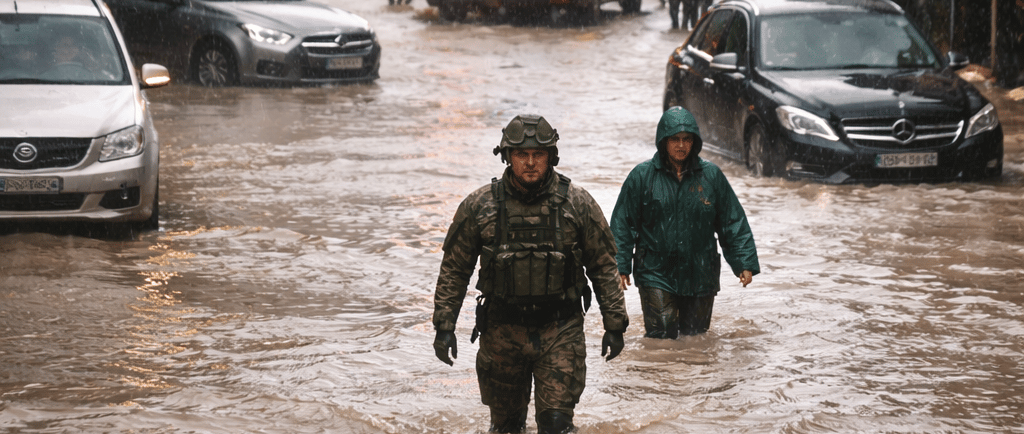
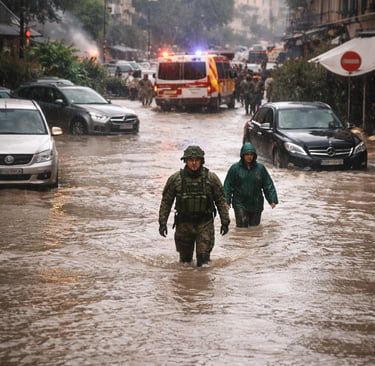
Storm Marta brought torrential rain and snow to northern Spain and parts of Portugal, causing floods that resulted in at least one death this weekend. A 46-year-old firefighter was swept away by the current in Portugal during emergency operations in a flooded area. The phenomenon exacerbates the sequence of bad weather in recent weeks – previous storms (Kristin and Leonardo) had already left 14 dead in the region. Authorities maintain maximum alerts for flooding in rivers such as the Tagus, while several Spanish roads have been closed due to flooding, snow, and ice.
Introduction to Storm Marta
Storm Marta emerged as a significant meteorological event that caused widespread flooding and snowfall across Northern Spain and Portugal. This intense weather system formed as a result of specific atmospheric conditions that facilitated its rapid development.
Initially, the storm's origins can be traced back to a low-pressure system that originated over the Atlantic Ocean. The interplay between warm and cold air masses created a conducive environment for the formation of strong winds and heavy precipitation. As this system moved closer to the Iberian Peninsula, it encountered geographical features such as mountains and valleys, which further intensified its impacts.
Over several days, the combination of moisture-laden air and sudden drops in temperature resulted in torrential rain in coastal areas and significant snowfall in mountainous regions. Meteorologists noted that the storm was characterized by swirling patterns that complicated predictions of its path and severity. As it progressed inland, Storm Marta unleashed an array of severe weather phenomena, including strong winds, thunder, and lightning, aggravating the situation on the ground.
The impact of this storm was profound, leading to widespread disruptions in both urban and rural areas. Communities faced challenges in emergency response due to the rapid escalation of floodwaters, while snowfall caused hazardous conditions in elevated regions. Local authorities were forced to mobilize resources quickly to assist those affected and to mitigate the effects of Storm Marta.
As the storm passed, the repercussions of its fury were felt far and wide, prompting discussions around climatic challenges and the need for preparedness strategies for extreme weather events in the future.
The Impact of Storm Marta: A Tragic Loss
In the wake of Storm Marta, which has wreaked havoc across Northern Spain and Portugal, the loss of life resulting from the severe weather has touched many hearts. The tragic incident involving a 46-year-old firefighter from Portugal epitomizes the risks faced by emergency services during such calamitous events. This firefighter, dedicated to serving his community, lost his life while bravely responding to calls for help amidst the relentless storms and flooding.
The circumstances surrounding his death highlight the dangers that professionals in emergency services confront during natural disasters. While addressing the flooding, the firefighter was caught in a life-threatening situation, emphasizing the unpredictability and ferocity of nature during severe weather events like Storm Marta. His sacrifice illustrates the noble commitment of fire and rescue personnel, who often place themselves in perilous conditions to safeguard citizens in need.
Natural disasters, especially floods, escalate risks not only for the public but also for those who respond to emergencies. This incident serves as a sobering reminder of the human toll that can accompany storms, often overlooked in broader discussions on climate impacts. Communities have begun to grapple with the emotional aftermath as the loss of a beloved firefighter casts a shadow over the ongoing recovery efforts.
In a broader context, Storm Marta has ignited discussions about the importance of adequate training, resources, and safety protocols for emergency responders confronting similar scenarios in the future. The need for enhanced support systems for first responders during disastrous events is now more critical than ever. As the community mourns his loss, it reflects on the devastating impact of Storm Marta and the unwavering dedication of those who serve unselfishly in dangerous times.
Historical Context of Recent Storms
The evolution of severe storms in Northern Spain and Portugal has increasingly drawn attention in recent years. Storm Marta, which has wreaked havoc across the region, is not an isolated incident but rather part of a chain of disquieting weather patterns that have developed, particularly through the preceding storms: Kristin and Leonardo. These two weather events set the stage for a noticeable increase in severe flooding and infrastructure damage in the area.
Storm Kristin, which hit in early December 2022, brought heavy rain and winds, resulting in flash floods that devastated several towns along the northern coast. Similarly, Storm Leonardo followed closely behind in November 2023, exacerbating the effects of the preceding storm. This surge of storms has not only led to significant property damage but has also tragically resulted in multiple fatalities, prompting discussions about climate resilience and student adjustment plans. The cumulative nature of these storms has left many communities reeling, with repairs and recovery efforts hindered by the persistent adverse weather.
The ongoing weather patterns have shown a concerning trend towards an increase in the frequency and intensity of storms across the Iberian Peninsula. The historical context surrounding these recent storms suggests a shift in climate characteristics, raising concerns over long-term impacts on the environment and human safety. These patterns are reflective of broader climatic changes observed worldwide, indicating that residents must prepare for an uncertain future influenced by increasing storm severity. The occurrence of Storm Marta, underpinned by the aftermath of Kristin and Leonardo, serves as a stark reminder of nature's power and the unrelenting challenges posed by climate variability in this region.
Flooding and Infrastructure Impact
Storm Marta has brought unprecedented flooding to Northern Spain and Portugal, creating significant challenges for infrastructure and communities alike. The torrential rainfall associated with the storm has resulted in numerous road closures, effectively isolating various regions. In many affected areas, local authorities have reported major transportation disruptions, complicating access for emergency services and delaying aid delivery to those in need.
In addition to transportation issues, the storm has severely damaged homes and businesses across several cities. Many residents are facing substantial property damage, forcing some to evacuate their residences. The economic implications of this flooding are also considerable, as local businesses are struggling to remain operational amidst the ongoing state of emergency. Repairs and recovery will likely place a strain on local economies already challenged by previous weather events.
The response from local governments has been swift. Many municipalities declared a state of emergency to mobilize resources and provide necessary assistance to affected citizens. Emergency services have been deployed to rescue stranded individuals and airlift critical supplies to isolated communities. Furthermore, government agencies are actively assessing the damage and coordinating recovery efforts to rebuild damaged infrastructure, which is crucial for restoring normalcy.
Preparedness measures prior to Storm Marta's arrival have also played a significant role in mitigating damage. Local governments issued warnings and advised residents to take precautions, such as seeking higher ground and securing personal property. While these efforts may have helped reduce casualties, the magnitude of the storm's impact has still proven devastating.
Overall, the flooding induced by Storm Marta highlights the vulnerabilities within the existing infrastructure in Northern Spain and Portugal, revealing an urgent need for long-term solutions to bolster disaster resilience in the face of future climatic challenges.
Rivers at Risk: Maximum Alerts and Precautions
In light of the recent adverse weather conditions brought about by Storm Marta, local authorities in Northern Spain and Portugal have issued maximum alerts regarding the potential for flooding, particularly within the river systems, such as the Tagus and its tributaries. These alerts indicate that water levels are expected to rise drastically, creating significant risks to communities situated along the banks. The announcement of these alerts serves as a critical reminder of the challenges posed by heavy rainfall and rapid snowmelt, which can lead to devastating flood scenarios.
Residents living near major rivers have been advised to exercise caution and prepare for possible evacuation as part of proactive flood responses. This includes securing property and important belongings, as well as staying informed through local news outlets and emergency management channels. Many individuals are taking advances steps such as creating emergency plans and assembling supply kits to ensure their safety. Furthermore, community organizations and local leaders are urging residents to revisit evacuation routes and establish communication plans, especially for families with children or elderly members.
In addition, local agencies are deploying resources and coordinating efforts to manage the increasing risks associated with flooding. Designated emergency teams are closely monitoring river levels, mobilizing sandbags to vulnerable areas, and ensuring that drainage systems are operational. The collaboration among different agencies, including fire departments, police, and environmental protection units, is crucial in minimizing the impact of potential flooding events. Efforts are also being made to educate the public about the significance of adhering to safety guidelines, as this cooperation can greatly reduce the risks posed by Storm Marta and any subsequent weather occurrences.
Weather Forecast and Future Warnings
In the aftermath of Storm Marta, meteorologists are closely monitoring the weather systems over Northern Spain and Portugal. Current forecasts indicate that regions impacted by the recent storms may continue to experience further rainfall and potential snowfall over the coming days. The latest models suggest that another frontal system is approaching, which could exacerbate the existing flooding conditions. According to the meteorological service, an additional 50 to 100 millimeters of rain could fall in certain areas, particularly in the coastal and low-lying regions.
Experts warn that this projected weather pattern poses significant risks for already saturated soils and swollen rivers, heightening the chances of additional flooding and landslides. Notably, the provinces of Galicia and Asturias have been highlighted as particularly vulnerable, given their recent history of severe weather impacts. Snowfall is also expected in mountainous areas, leading to hazardous travel conditions, especially at lower elevations where rain may freeze overnight.
The National Weather Service has issued updated warnings indicating that residents should remain vigilant as conditions may rapidly deteriorate. Emergency management authorities are urging communities to prepare for possible evacuations and to review their emergency plans. Furthermore, ongoing assessments of infrastructure are critical, as localized flooding could affect roads, utilities, and emergency access routes.
In this context, it is essential for the affected population to stay informed through reliable sources as updates on weather conditions and potential evacuation orders are released. Collaboration between local authorities and meteorological agencies will play a crucial role in effectively managing the upcoming weather threats and in mitigating impacts on the communities recovering from Storm Marta.
Conclusion and Resilience in the Face of Adversity
The recent devastation caused by Storm Marta in Northern Spain and Portugal serves as a stark reminder of the increasing frequency and intensity of extreme weather events. Communities in the affected regions have experienced significant upheaval, with floods and snowfall disrupting daily life and causing substantial damage to infrastructure. However, in the midst of these challenges, stories of resilience and solidarity among residents emerge, illustrating the strength of community bonds when facing adversity.
In the aftermath of such storms, it is essential for communities to rally together, providing support to those most impacted. Local organizations and volunteers often step up to assist with relief efforts, ensuring that victims receive food, shelter, and emotional support. These acts of kindness not only help those in immediate need but also foster a sense of unity, reinforcing the idea that together, communities can overcome even the most daunting challenges posed by nature.
The resilience demonstrated in Northern Spain and Portugal highlights the necessity for long-term strategies to mitigate the effects of climate change, which is likely to exacerbate the severity of storms and flooding in the future. Policymakers and environmental experts must prioritize sustainable initiatives, including improved flood defenses, better urban planning, and environmental restoration efforts. By investing in such measures, communities can enhance their preparedness for future weather-related crises, ultimately safeguarding their residents and infrastructure.
As we reflect on the impacts of Storm Marta, it becomes clear that the road to recovery involves not only immediate response efforts but also a commitment to building resilience against impending climate-related challenges. The stories of courage and community spirit that prevail in the face of adversity remind us that collective action is vital in creating a more secure future for all inhabitants of Northern Spain and Portugal.
MSM GLOBAL NEWS
Follow news and analysis accurately.
All rights reserved MSM GLOBAL NEWS© 2026.