

Out-of-Season Wildfires in Canada: The Impact of Abnormal Weather Conditions
Abnormal weather conditions are bringing forward the wildfire season.
3/26/20267 min read
Understanding Wildfires: Causes and Conditions
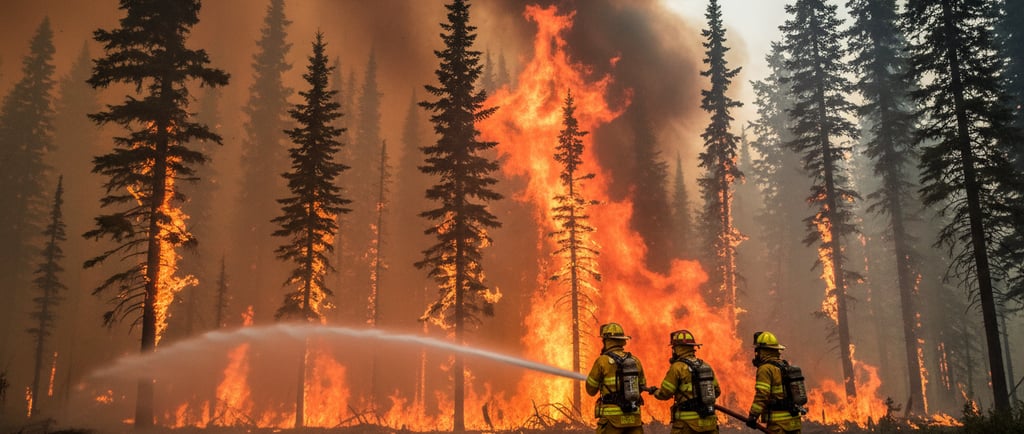
Wildfires, often referred to as forest fires or bushfires, are uncontrolled fires that burn in natural areas such as forests, grasslands, or scrublands. These fires can occur due to a combination of natural and human-induced causes. Understanding the origins and contributing factors of wildfires is crucial for effective prevention and management strategies.
One of the primary natural causes of wildfires is lightning strikes. When lightning strikes dry vegetation, it can create a spark that ignites surrounding plant material, especially during periods of prolonged drought. Other natural factors include the presence of volcanic eruptions and spontaneous combustion in areas where decaying organic material accumulates. Human activities, on the other hand, account for a substantial number of wildfires. Common human-induced causes include campfires left unattended, discarded cigarettes, power lines sparking, and intentional acts such as arson.
The ideal conditions for wildfire development are influenced significantly by environmental factors. Dry weather contributes to lower humidity levels and creates an arid atmosphere that facilitates the ignition and spread of fire. High temperatures, often exacerbated by heat waves, increase the volatility of fuels such as dry grass and leaves. Additionally, dry vegetation acts as fuel that, when ignited, can result in rapid fire growth. The combination of these weather conditions enhances the likelihood and severity of wildfires.
Furthermore, human land management practices can create environments more susceptible to wildfires. For example, areas that have not been adequately maintained may accumulate excess fuel loads, which can intensify fires once they do occur. Understanding the underlying causes and conditions that lead to wildfires is essential for mitigating their impact, especially during periods of abnormal weather patterns that increase their frequency and intensity.
The Phenomenon of Out-of-Season Wildfires
Out-of-season wildfires refer to unanticipated fire events that occur outside the typical wildfire season, which generally spans from late spring to early autumn in many regions, including Canada. These wildfires can arise during months usually considered off-peak, such as late winter or early spring. Despite the expectation that temperatures remain low and humidity is high during these periods, out-of-season wildfires have been increasingly documented, often attributed to abnormal weather patterns and climate change.
Climate change plays a pivotal role in altering weather behaviors, which can lead to a higher frequency of out-of-season wildfires. Rising global temperatures can result in drier conditions earlier in the year and surplus vegetation growth during mild winters. When conditions become particularly dry, even a minor spark can ignite a significant fire, potentially causing extensive damage to the ecosystem and surrounding communities.
Unseasonable weather phenomena, including unexpected heatwaves or prolonged droughts, contribute significantly to the occurrence of these wildfires. For instance, if unusually warm temperatures emerge during traditionally cooler months, the resulting dry conditions create inviting environments for fires to ignite. Furthermore, shifting precipitation patterns can lead to greater variability in weather, increasing both the frequency and intensity of wildfires.
Historically, fire management practices have been structured around predictable seasonal patterns; however, the growing trend of out-of-season wildfires necessitates a reassessment of how resources are allocated. Enhanced understanding of wildfire behavior in relation to abnormal weather conditions is essential to developing effective strategies for fire prevention and response. As climate change continues to evolve, it is crucial to remain aware of how these factors interplay, ultimately aiding in better preparation and mitigation efforts against out-of-season wildfires.
The Role of Climate Change in Altering Weather Patterns
Climate change is a significant factor influencing weather patterns across the globe, and its effects are becoming increasingly evident in regions like Canada. The rise in average global temperatures has been linked to the increase of greenhouse gases in the atmosphere, primarily from human activities such as burning fossil fuels and deforestation. As the planet warms, it disrupts long-established weather patterns, leading to more frequent and intense weather events.
One of the notable impacts of climate change is the increased occurrence of unusual temperatures, which can lead to prolonged droughts or uncharacteristically warm seasons. For instance, a typical Canadian winter may experience milder temperatures due to climate shifts, reducing snowfall and leading to drier conditions. This prolonged heat not only affects the ecosystem but also raises concerns for wildfires, as dry and hot conditions serve as a catalyst for ignition.
Moreover, climate change influences rainfall patterns, causing fluctuations in precipitation rates. Some areas may experience severe droughts, while others may face unexpected heavy rainfall events. This erratic weather can lead to the drying out of vegetation in some regions, while simultaneously causing rapid growth in others, creating a volatile environment where wildfires can easily ignite.
The scientific community continues to study how these changes in weather systems are associated with reported increases in wildfires, particularly those occurring out of season. Regions that historically had defined fire seasons are now witnessing fires outside of those periods, largely attributed to altered weather conditions propelled by climate change. The combination of rising temperatures and extended dry spells paints a concerning picture for wildfire management in Canada.
Recent Cases of Out-of-Season Wildfires in Canada
Canada has witnessed an alarming increase in out-of-season wildfires, particularly in locations that have historically experienced limited wildfire activity during certain times of the year. A notable example occurred in the fall of 2022, when wildfires erupted across various regions in British Columbia. These fires, which typically would not have ignited until the warmer summer months, were attributed to a confluence of factors, including unusually high temperatures and severe drought conditions that created an environment ripe for combustion.
Another significant incident took place in Ontario during early winter of 2022, when wildfires were reported in December. This aberration can primarily be linked to the extended heatwaves and lack of rainfall, which are typically uncommon in the lead-up to winter. The Ontario Ministry of Natural Resources and Forestry reported that these wildfires were particularly dangerous due to dry underbrush and strong winds, which are generally mitigated by cooler temperatures and snowfall.
Moreover, in the spring of 2023, Alberta experienced a series of wildfires that were again premature, igniting when temperatures soared unexpectedly with low humidity levels. These spring wildfires raised significant concerns regarding forest management and urban interface strategies as they spread rapidly, threatening homes and infrastructure. Firefighters faced challenges as they normally prepare for these incidents in late summer or early fall when conditions are more predictable. The increasing frequency of such unpredictable wildfires underlines the urgency for comprehensive studies on climate impacts and adaptation strategies to better manage future risks.
Environmental and Economic Consequences of Out-of-Season Wildfires
Out-of-season wildfires in Canada are fundamentally altering the landscape of environmental management and economic stability. These unusual fires, often fueled by atypical weather patterns, lead to severe habitat destruction, impacting flora and fauna native to the region. Ecosystems that take years, if not decades, to develop can be irrevocably damaged in a matter of hours due to these fires. The loss of habitat not only threatens species survival but also disrupts the ecological balance, leading to longer-term consequences that affect biodiversity.
In addition to direct damage to habitats, the degradation of air quality is a critical concern associated with out-of-season wildfires. Smoke and particulate matter released into the atmosphere pose significant health risks to humans and wildlife. Increased respiratory illnesses and other health issues can strain public health systems, creating an additional burden on communities. Furthermore, the impact on air quality extends beyond immediate health effects; it can also contribute to climate change through the release of greenhouse gases, thus compounding existing environmental challenges.
The economic repercussions of these wildfires are extensive. The costs associated with firefighting efforts are substantial, often resulting in budget reallocations that affect other vital public services. Recovery efforts, including rebuilding infrastructure and rehabilitating burned land, further strain local and national economies. Industries reliant on natural resources, such as forestry and tourism, may suffer significant losses due to recurring wildfire outbreaks. Therefore, the financial burden of out-of-season wildfires not only pertains to direct firefighting costs but also encompasses broader economic impacts stemming from disrupted industries and damaged environments.
Preventative Measures and Future Strategies
In addressing the growing risk of out-of-season wildfires in Canada, it is essential to implement comprehensive preventative measures and forward-thinking strategies. These strategies encompass improved forest management practices, enhanced community preparedness, and the adoption of innovative firefighting technology.
Effective forest management is critical for reducing wildfire risk. This involves systematic thinning of densely populated forest areas, creating fire breaks, and engaging in controlled burns during favorable weather conditions. These practices help to manage fuel loads while promoting the health of forests. Furthermore, aligning forest management with ecological principles can enhance the resilience of ecosystems, making them less susceptible to wildfires.
Community preparedness plays a crucial role in mitigating fire risks. Local governments and organizations can foster resilience by developing educational programs that inform residents about fire safety and preparedness. Public awareness campaigns should focus on creating defensible space around properties, which involves clearing vegetation and maintaining landscape features that can act as barriers to wildfires. Communities should also establish emergency response plans, ensuring that residents know evacuation routes and emergency contact points.
Technological advancements in firefighting techniques continue to evolve, significantly enhancing the ability to respond to wildfires. Drones equipped with thermal imaging technology can provide real-time data, helping to identify hotspots and assess fire spread. Moreover, the integration of artificial intelligence in modeling fire behavior can empower firefighters with predictive analytics, improving resource allocation. Investment in these technologies is vital to bolster firefighting capacities.
In conclusion, the increasing frequency of out-of-season wildfires in Canada necessitates proactive strategies encompassing forest management, community readiness, and innovative technology. By implementing these preventative measures, the risks can be significantly mitigated, ultimately safeguarding both lives and the environment.
Conclusion: The Need for Action and Awareness
Out-of-season wildfires in Canada serve as a stark reminder of the changing climate and the variety of adverse effects that abnormal weather conditions can inflict on ecosystems and communities. As climate patterns continue to shift, the frequency and intensity of these wildfires are expected to rise, thereby escalating the importance of proactive measures. Raising public awareness about the realities of climate change and its direct link to wildfire incidents is crucial.
Effective communication and education strategies must be implemented to inform the public about the impact of their choices on the environment, including how they can reduce their individual vulnerabilities to wildfires. Communities must be mobilized to participate in discussions about environmental stewardship, fire prevention practices, and appropriate responses to emergencies associated with wildfires. Such engagement can cultivate a sense of collective responsibility among citizens towards mitigating wildfire risks.
Furthermore, policymakers must prioritize discussions surrounding climate change strategies to address the root causes of increasing wildfire occurrences. Comprehensive legislation that aims to reduce greenhouse gas emissions and promote sustainable land use can aid in curbing the excessive proliferation of wildfires. Investment in research focused on understanding wildfire behavior and incorporating technology for early detection and risk assessment is also essential.
In essence, combating the rising threat of out-of-season wildfires necessitates a multifaceted approach, including increased awareness, proactive community involvement, and robust governmental strategies. As the climate crisis progresses, it is imperative for all stakeholders to collectively acknowledge and address the risks associated with out-of-season wildfires—ensuring a safer environment for future generations.
MSM GLOBAL NEWS
Follow news and analysis accurately.
All rights reserved MSM GLOBAL NEWS© 2026.