

Japan Tests Advanced Anti-Missile System: A New Era in Defense
New test enhances defensive capabilities and sparks regional debate.
3/26/20268 min read

Introduction to Japan's Anti-Missile System
Japan's anti-missile capabilities have evolved significantly over the past few decades, reflecting the changing dynamics of regional security threats. Historically, Japan has maintained a pacifist defense policy; however, increasing military activities by neighboring states have necessitated enhancements in its defensive strategies. The rise of North Korea, specifically its advancing missile technology, has been a substantial driving force behind Japan's commitment to strengthening its anti-missile systems. In recent years, North Korea's missile tests have raised alarms not only in Japan but across the international community, emphasizing the need for a robust defense mechanism.
In addition to the threats posed by North Korea, China's military advancements have further complicated Japan's security landscape. China has been expanding its military capabilities, engaging in aggressive territorial assertions, and modernizing its missile systems. This situation underscores the challenges Japan faces, pushing it to reassess and adapt its defense posture. Japan's reliance on a combination of the American defense umbrella and its indigenous capabilities is part of a broader trend of regional countries bolstering their defense systems against perceived threats.
Currently, Japan employs a multi-layered defense architecture, including Aegis Ballistic Missile Defense systems and the land-based Aegis system, known as Aegis Ashore. These systems are designed to intercept and destroy incoming ballistic missiles, ensuring a layer of protection for its populated areas. Moreover, the Japanese government has been investing in research and development of next-generation missile defense technologies, indicating a proactive approach to counter emerging threats. By enhancing its anti-missile capabilities, Japan aims to deter aggression and maintain stability in an increasingly volatile region.
Details of the New Test
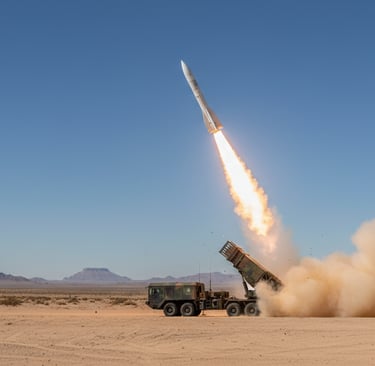
Japan's recent test of its advanced anti-missile system marks a significant milestone in its defense capabilities. Conducted on a designated range in the northern region of Hokkaido, this test aimed to evaluate the system's effectiveness against potential missile threats. The test involved the deployable Aegis Ballistic Missile Defense (BMD) technology, which has been a cornerstone of Japan's efforts to enhance its missile defense infrastructure.
The primary objective of this test was to assess the intercept capabilities of the system under realistic conditions. Initiatives like these are crucial as they allow defense agencies to gather data regarding weapon performance against a spectrum of ballistic missiles. Additionally, Japan's Ministry of Defense collaborated closely with the Japan Maritime Self-Defense Force (JMSDF), ensuring a comprehensive evaluation of the system's readiness and functionality.
One notable aspect of the test was the successful interception of a simulated incoming missile target, showcasing the system's advanced tracking and targeting capabilities. This test emphasized not only the system's technological achievements but also Japan's commitment to bolstering its national security amid rising regional tensions. Performance metrics from this trial indicated a significant increase in accuracy compared to previous tests, providing confidence in the system's operational readiness.
The advancements in Japan's anti-missile technology highlight a strategic shift in the defense posture of the country, aimed at deterring potential aggressors and enhancing regional stability. With continued investment and development in such systems, Japan seeks to position itself as a resilient power in an increasingly complex security environment. Such initiatives underscore the importance of maintaining peace in the Asia-Pacific region while ensuring that national defense capabilities are up to date and robust.
The recent test of Japan's advanced anti-missile system marks a significant moment in the evolution of the nation's defense strategy. The growing threats in the region have prompted Japan to reconsider its military posture, with a focus on enhancing its defensive capabilities in response to a changing security environment. This test highlights a proactive approach aimed at strengthening the Japan Self-Defense Forces (JSDF) and aligns with Japan's broader policy objectives of maintaining peace and security amid evolving geopolitical dynamics.
Japan's defense strategy has historically been characterized by a pacifist constitution, placed in the aftermath of World War II. However, recent developments, including North Korea's missile activities and increasing assertiveness from other regional powers, have compelled Japan to adapt its strategy. The integration of advanced missile defense systems is a direct response to these challenges, symbolizing a transition from a largely defense-oriented posture to a more proactive stance aimed at deterrence and crisis response.
In alignment with Japan's National Security Strategy, the emphasis on advanced anti-missile capabilities facilitates enhanced cooperation with allies, particularly the United States. By strengthening its missile defense systems, Japan not only bolsters its national security but also contributes to regional stability. This enhanced posture reflects a commitment to ensuring a secure environment in the Indo-Pacific, thereby supporting international norms and collaborative security efforts.
Furthermore, the incorporation of advanced technology in Japan's defense framework underscores the importance of modernization. This evolution not only improves the operational effectiveness of the JSDF but also signals a willingness to invest in cutting-edge defense technologies. As Japan continues to navigate complex security challenges, the successful testing of its anti-missile system may pave the way for further enhancements in its military capabilities, aligning with its goal of maintaining a credible and robust defense posture.
Regional Responses and Reactions
The testing of Japan's advanced anti-missile system has elicited a range of reactions from neighboring countries, particularly North Korea and China. These nations view Japan’s military advancements with a degree of concern, primarily due to historical tensions and ongoing geopolitical dynamics in the East Asian region.
North Korea, known for its aggressive stance towards military developments in the region, has expressed significant alarm regarding Japan's enhanced missile defense capabilities. The North Korean government has framed Japan's actions as a direct threat to its national security, potentially leading to heightened military readiness. State media in North Korea have portrayed these developments as provocative, emphasizing the need for Pyongyang to bolster its own defense measures in response to perceived encroachment from Japan’s military initiatives. This sentiment reflects a broader narrative wherein North Korea positions itself as the defender of its sovereignty against perceived Japanese militarism.
Conversely, China’s reaction has been characterized by diplomatic caution. The Chinese government has reiterated its concerns over arms races in the region and the potential destabilizing effects of Japan's military expansion. Chinese officials have articulated fears that Japan’s increasing military capabilities could shift the balance of power in the Asia-Pacific, complicating existing security frameworks. Beijing has urged for dialogue and negotiation rather than military escalation, emphasizing the importance of regional cooperative security mechanisms. Public sentiment in China may reflect apprehension towards Japan's military resurgence, fueled by historical grievances and contemporary security concerns.
In summary, the reactions from North Korea and China highlight the intricate balance of regional security dynamics, where Japan's developments could either prompt defensive measures or spark calls for diplomatic engagement. As Japan continues to advance its military capabilities, the responses from neighboring nations will undoubtedly shape the security landscape in East Asia.
International Perspective and Cooperation
The recent advancements in Japan's anti-missile capabilities have attracted significant attention on the international stage, particularly from its key ally, the United States. This collaboration exemplifies a shared commitment to enhance regional security amidst evolving threats. The United States has been actively supporting Japan's defense initiatives, recognizing the strategic importance of bolstering Japan's military capabilities in the Pacific region.
Joint military exercises between Japan and the United States have become more frequent, serving as a platform for both nations to test and refine their response strategies against potential missile threats. These exercises not only demonstrate military readiness but also strengthen the cooperative defense framework established between the two countries. The interaction between the two militaries also includes the exchange of technical expertise, which is vital for the ongoing development and implementation of advanced defense technologies.
Moreover, Japan's partnerships extend beyond the United States. The country has been engaging with other regional allies, such as Australia and South Korea, to foster a collective approach to security challenges in the Indo-Pacific region. These nations have recognized that unilateral efforts may not suffice against emerging threats, making it critical to align defense strategies and share best practices for missile defense.
The integration of Japan's anti-missile system into a broader framework of global security partnerships is also noteworthy. Diplomatic dialogues focusing on disarmament and non-proliferation are essential components of this cooperation, ensuring that while defense measures are enhanced, the risks of escalating tensions in the region are mitigated. Collectively, these initiatives signify a commitment not just to national defense but also to a collaborative effort aimed at maintaining stability and peace in an increasingly complex global security environment.
Potential Challenges and Criticisms
As Japan enhances its missile defense capabilities with the implementation of advanced systems, several challenges and criticisms have arisen. One of the primary concerns revolves around the issue of militarization. Historically, Japan has maintained a pacifist constitution, which restricts its military activities. The bolstering of its anti-missile arsenal raises questions about the implications for Japan’s defense posture and whether it signifies a departure from its post-World War II pacifism. Critics argue that increasing military expenditures could provoke neighboring nations, particularly China and North Korea, potentially escalating tensions in an already complex security environment.
Additionally, there are apprehensions regarding the potential arms race that could be triggered by Japan's enhanced military capabilities. Regional dynamics are fragile, and Japan's initiatives to strengthen its defense systems might be perceived as belligerent by other countries. This perception could lead to a cycle of escalation, where neighboring countries similarly increase their military investments, undermining regional stability. Such developments may not only affect security policies in Japan but also have far-reaching consequences for the broader Asian-Pacific geopolitical landscape.
Public opinion within Japan also plays a significant role in this discourse. While some citizens support the modernization of defense strategies in light of growing threats from neighboring adversaries, a portion of the populace remains skeptical. There are concerns that increased military spending will divert resources from pressing domestic issues such as healthcare and education. The debate between ensuring national security and addressing social welfare needs is ongoing, and how the government navigates these priorities will be crucial in shaping public perception and acceptance of a more militarized approach.
Conclusion: The Future of Japan's Defense Landscape
The recent tests of Japan's advanced anti-missile system mark a significant advancement in the country's defense capabilities. These developments come at a time of increasing regional tensions, with Japan responding to growing security concerns, particularly from North Korea and China's military assertiveness. The successful testing of this system indicates Japan's commitment to enhancing its deterrent capabilities and ensuring the safety of its territory.
Moreover, Japan's anti-missile system testing serves as a pivotal reminder of the evolving security landscape in East Asia. It showcases the necessity for nations in the region to adapt to emerging threats and increasingly sophisticated military technologies. As a result, Japan is likely to play a key role in redefining strategic alliances, not only with the United States but also with neighboring countries seeking similar defense advancements. Synergies with international partners are essential for bolstering collective security against the backdrop of a multipolar world.
Looking forward, Japan's defense posture will likely evolve further, incorporating advanced technologies not just limited to missile defense systems but extending into cyber security and space-based capabilities. This shift reflects a heightened awareness of hybrid threats that entail both conventionally armed states and non-state actors. Thus, Japan is poised to engage in a holistic defense strategy that includes not only military preparedness but also diplomatic efforts to foster dialogue and stability in the region.
In conclusion, the testing of Japan's advanced anti-missile systems is both a strategic necessity and a clear indicator of the country's intent to safeguard its national interests. As the security dynamics in Asia continue to shift, Japan will have to navigate complex geopolitical waters, ensuring it remains a vigilant and proactive player on the international stage.
MSM GLOBAL NEWS
Follow news and analysis accurately.
All rights reserved MSM GLOBAL NEWS© 2026.