

Mexico's Suspension of Fuel Shipments to Cuba: Impacts and Humanitarian Efforts
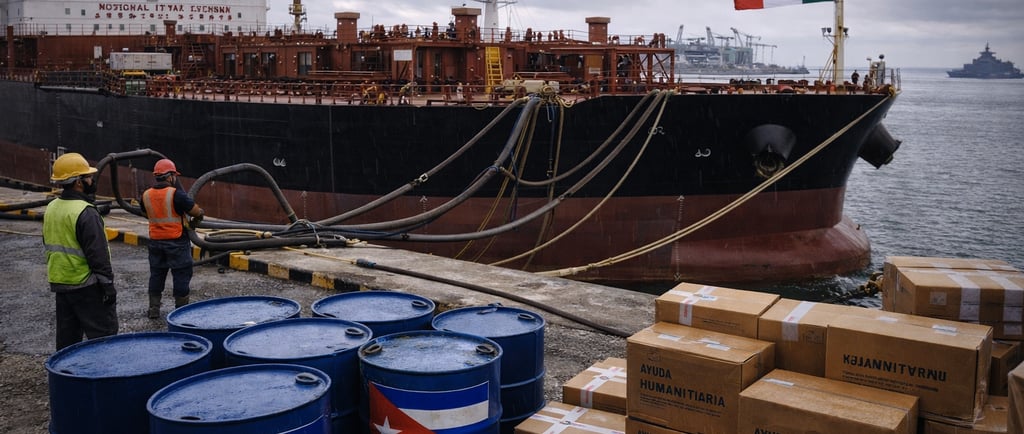
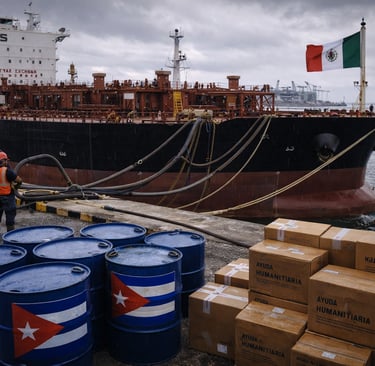
The Mexican government confirmed the suspension of all fuel shipments to Cuba in order to avoid punitive tariffs imposed by the United States as part of an oil blockade of the island. Despite this measure, Mexico stated it will continue sending humanitarian aid to Cubans; simultaneously, Canadian airlines Air Transat and WestJet canceled all flights to Cuba due to fuel shortages, leaving Canadian tourists temporarily stranded in the country.
Introduction
The recent decision by the Mexican government to suspend fuel shipments to Cuba has raised significant concerns and discussions among various stakeholders. This move comes in the context of stringent U.S. punitive tariffs aimed at Cuba, which have had a cascading effect on the island nation's economy and, consequently, its access to essential resources such as fuel. The suspension represents a complex intersection of diplomatic relations between Mexico and Cuba, further complicated by external pressures from the United States.
Mexico's suspension of fuel shipments is not just a unilateral decision; it is intricately linked to broader geopolitical dynamics. The U.S. has long criticized Cuba’s government, and these tariffs are part of a broader strategy of economic sanctions intended to compel change in the Cuban political landscape. While Mexico has historically maintained a cooperative stance towards Cuba, this recent action might reflect a balancing act as it navigates its relationship with the United States, seeking to adhere to U.S. policies while considering the humanitarian implications for the Cuban people.
Despite the challenges posed by the suspension of fuel shipments, the Mexican government has signaled its intention to provide humanitarian aid to Cuba. This raises questions about the logistics involved in delivering essential resources without the accompaniment of fuel supplies. The situation underscores a critical need for creative solutions to ensure that humanitarian efforts can persist amidst political and economic constraints. As the discussion unfolds, it becomes imperative to analyze the implications of this suspension on both nations, particularly focusing on how Mexico plans to navigate humanitarian aid efforts in the absence of fuel shipments.
Background on U.S.-Cuba Relations and the Oil Blockade
The relationship between the United States and Cuba has been characterized by tension and conflict since the Cuban Revolution in 1959, which saw the overthrow of the U.S.-backed government of Fulgencio Batista. In response to the new government led by Fidel Castro, the United States implemented a comprehensive trade embargo in 1960, which was later expanded to include a wide range of economic sanctions. This embargo was intended to isolate Cuba economically and politically, fundamentally impacting its ability to procure essential resources, including fuel.
Over the years, U.S. policies have fluctuated based on the prevailing political climate. The Obama administration took steps towards normalization, easing some restrictions and promoting exchanges. However, the subsequent Trump administration reversed many of those policies, reinstating punitive tariffs and tightening the blockade. These measures have significantly constrained Cuba’s access to foreign oil supplies, as the U.S. maintains strict regulations that prohibit American companies from engaging in trade with the island nation.
The ongoing oil blockade has led to a critical energy crisis in Cuba, severely disrupting its economy and daily life. With limited resources for power generation and transportation, Cubans face shortages that affect their livelihoods and well-being. This dire situation compelled Mexico to take significant measures, including the suspension of fuel shipments to Cuba. Although the exact reasons behind this suspension are complex, they are undeniably influenced by pressure from the United States and its policies toward Cuba.
Geopolitically, this suspension illustrates the delicate balance that neighboring countries, particularly in Latin America, must navigate amid U.S. foreign policy. As nations weigh the ramifications of compliance or resistance to U.S. measures, the humanitarian consequences of such decisions become increasingly apparent, raising critical questions regarding the ethics of foreign aid and support in the context of geopolitical strategies.
Mexico's Response: Suspension of Fuel Shipments
In recent months, the Mexican government has made the significant decision to suspend fuel shipments to Cuba, a move that has raised eyebrows and provoked discussions regarding its implications. This suspension is primarily fueled by the evolving geopolitical landscape and various pressures from the United States, which has imposed tariffs on Cuba. The intricacies of this decision are multifaceted, involving both diplomatic and economic considerations that resonate throughout the region.
Factors leading to this suspension include a combination of U.S. foreign policy and Mexico's commitments to adhere to certain international trade norms. The United States has historically exercised notable influence over its neighbors in the region, often prompting countries to align their policies with its broader geopolitical objectives. In this particular case, the U.S. has sought to enhance its sanctions against Cuba, and as a result, it has pressured allied nations, including Mexico, to reconsider their trading practices, specifically concerning fuel exports.
The economic ramifications of this decision for Mexico could be profound. The suspension of fuel shipments may disrupt established trade routes and alter the dynamics of Mexico's energy export strategies. Economic analysts are examining how these changes could affect Mexico's domestic market and its relations with other Caribbean nations that rely on similar fuel supplies. Moreover, as Mexico navigates these challenges, the suspension could strain its diplomatic relations with Cuba, introducing a level of volatility into bilateral interactions.
In light of these complexities, the decision to suspend fuel exports is poised to influence not only Mexico's internal economic landscape but also its long-term relations within the region and beyond. As the situation continues to evolve, the global community watches closely to understand both the immediate and lasting impacts of this significant policy shift.
Humanitarian Aid from Mexico: A Commitment to Cubans
Mexico has long been a significant ally and supporter of Cuba, reinforcing its commitment through various forms of humanitarian aid. Despite recent challenges, including the suspension of fuel shipments to the island, Mexico has ensured that essential support continues to reach the Cuban population. This aid is vital for a country facing economic difficulties and heightened humanitarian needs.
The types of humanitarian aid being sent from Mexico to Cuba primarily include food supplies, medical equipment, and essential pharmaceuticals. Organizations such as the Mexican Red Cross and government agencies have been mobilized to facilitate the logistics of these shipments. These efforts are particularly crucial as the Cuban healthcare system grapples with shortages and the effects of an ongoing public health crisis.
The Mexican government’s commitment transcends mere logistical support. Various non-governmental organizations (NGOs) have also collaborated with Mexican authorities to coordinate assistance. For example, initiatives focused on food security aim to provide nutritional support to vulnerable populations, including children and the elderly. The collaboration between government and NGO entities illustrates a multi-faceted approach to humanitarian support, which is essential in mitigating the impact of the economic sanctions Cuba faces.
The expected impact of this humanitarian assistance is significant. As food security and healthcare access are prioritized, many Cubans will benefit from the consistent supply of crucial resources. The ongoing cooperation between Mexico and Cuba serves as a testament to international solidarity, symbolizing a commitment to human dignity and care amidst political and logistical challenges.
Impact on Canadian Tourists: Flight Cancellations by Air Transat and WestJet
The recent suspension of fuel shipments from Mexico to Cuba has significantly affected various sectors, most notably tourism. For Canadian tourists, the ramifications are evident in the form of flight cancellations from major airlines such as Air Transat and WestJet. These cancellations have left many travelers stranded in Cuba, where the fuel shortages have disrupted normal airline operations.
Airlines have cited the ongoing fuel crisis as the primary reason for the disruption. Without a reliable supply of fuel, airlines face substantial operational challenges, forcing them to suspend flights. Canadian travelers looking to return home from Cuba now find themselves in a precarious situation, with limited options to exit the country. Furthermore, the airline's altercations may lead to not only a strained travel schedule but also potential financial burdens, as travelers may need to secure last-minute accommodations and plan for unexpected expenses.
The situation on the ground for these tourists is one of uncertainty and frustration. With limited access to essential services and amenities, many Canadians have voiced their concerns regarding the lack of support from the airlines and the Cuban authorities. Communication barriers and insufficient information exacerbate the distress felt by those affected. While airlines are working to provide updates to their customers, the sheer number of affected individuals challenges their capacity. Passengers are left navigating a convoluted process to seek assistance and secure alternative arrangements.
Air Transat and WestJet have expressed their commitment to helping affected travelers, but many individuals remain wary about the impending resolutions. This scenario poses critical questions about the future of travel to Cuba amidst enduring fuel shortages and the airline industry's preparedness to handle such crises in the tourism sector.
Reactions from the International Community
The decision by Mexico to suspend fuel shipments to Cuba has elicited a range of responses from various countries and humanitarian organizations worldwide. This move, seen by many as a strategic response to the ongoing economic situation in Cuba, has sparked intense discussions regarding diplomatic relations and economic policies within the region.
Countries in Latin America have largely expressed concern over the humanitarian impacts of this suspension. Several governments have called on Mexico to reconsider its stance, arguing that the embargo is exacerbating an already dire situation for the Cuban population. Bolivia and Venezuela, notable allies of Cuba, condemned the suspension, labeling it as an infringement on the sovereignty and dignity of the Cuban people. These nations have reiterated their commitment to supporting Cuba through this challenging time, urging international solidarity and cooperation.
In contrast, some countries in the West have taken a more neutral stance, choosing to focus on the broader implications of the economic and diplomatic relations affecting Cuba. The United States, alongside its allies, has continued to emphasize the need for Cuba to reform its economic policies in order to boost self-sufficiency and stabilize its economy. However, humanitarian organizations have cautioned against the politicization of aid, urging that the focus should remain on the well-being of the Cuban population rather than on advancing political agendas.
Non-governmental organizations, in particular, have highlighted the importance of accessible humanitarian assistance during this suspension. They are advocating for a renewed commitment from the international community to address the immediate needs of Cubans facing fuel shortages and broader economic challenges. The situation has also reignited discussions on the importance of diplomatic engagement and cooperation in resolving Cuba's long-standing economic issues.
These varied reactions underscore the complexity of the international response to Mexico’s suspension of fuel shipments, revealing deep divides in perspective on humanitarian needs versus economic and political strategies regarding Cuba.
Conclusion: Future Outlook and Final Thoughts
The suspension of fuel shipments from Mexico to Cuba marks a significant shift in the dynamic between these two nations and may serve as a pivotal moment in their historical relations. The economic repercussions for Cuba are likely to be severe, with potential consequences for its energy security and overall stability. Given the reliance of the Cuban economy on external fuel imports, this halt could result in a cascading effect that impacts various sectors, particularly healthcare and transportation, thereby exacerbating the existing humanitarian crisis.
In examining the broader geopolitical landscape, one must consider the implications of this development on Latin America's relationships with both Mexico and Cuba. This suspension could influence how other countries approach their assistance policies towards Cuba, as the international community grapples with the complex interplay of diplomacy and humanitarian needs. Furthermore, it raises important questions about the viability of future collaborations between Mexico and Cuba in economic and humanitarian domains.
Looking ahead, the uncertainty surrounding humanitarian aid becomes increasingly pronounced. Will Mexico resume fuel shipments to Cuba in response to international pressure or humanitarian imperatives? How will the Cuban government respond to this acute energy crisis, and what measures might they implement to mitigate the impacts on their populace? These questions will be pivotal in dictating the trajectory of Mexico-Cuba relations in the coming years.
Ultimately, the future will be shaped by the evolving geopolitical dynamics, economic necessities, and the humanitarian principles that guide both nations. It will be crucial for stakeholders in the region to remain vigilant and responsive, seeking solutions that prioritize the well-being of the Cuban people while navigating the complex realities of international relations.
MSM GLOBAL NEWS
Follow news and analysis accurately.
All rights reserved MSM GLOBAL NEWS© 2026.