

Recognizing the Transatlantic Slave Trade as a Crime Against Humanity: A Call from African Leaders
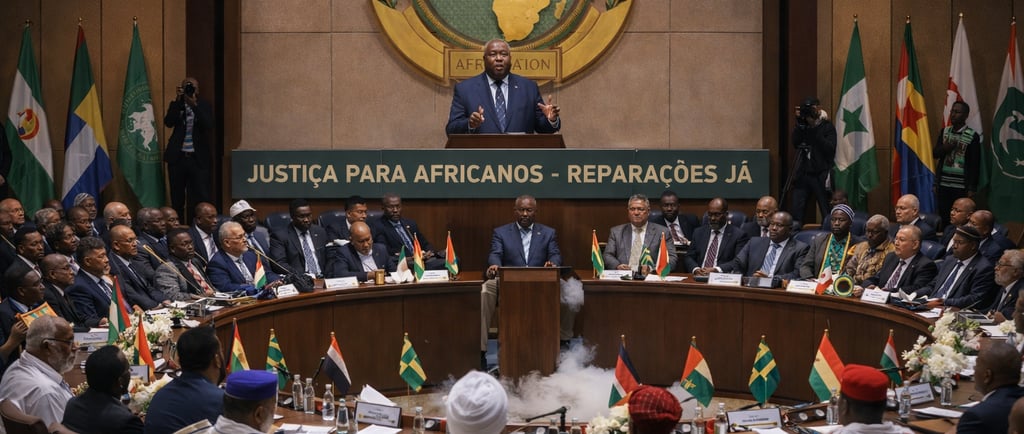
African leaders approved a resolution at an African Union summit in Addis Ababa calling on the UN to recognize the transatlantic slave trade as "the most serious crime against humanity." The initiative, led by Ghanaian President John Dramani Mahama – who serves as the AU Special Envoy for Historical Reparations – will be presented to the UN in March, arguing that reparative justice and redress for colonialism are an undeniable moral imperative and must be pursued collectively by African countries.
Introduction: The Significance of the African Union Summit
The recent African Union (AU) Summit held in Addis Ababa serves as a pivotal moment in the ongoing efforts to address historical injustices and reaffirm the collective responsibility of African nations towards each other. This summit not only facilitates high-level dialogues among member states but also plays a crucial role in shaping the political agendas that address pressing issues facing the continent.
One of the noteworthy outcomes of the summit was the resolution to recognize the transatlantic slave trade as a crime against humanity. This decision is significant, as it underscores the collective efforts of African leaders to confront this dark chapter in history and its long-lasting implications on societies and cultures across the globe. By formally acknowledging the injustices inflicted during the transatlantic slave trade, the AU aims to foster a renewed sense of identity and solidarity among African nations and their diasporas.
The implications of such a recognition extend beyond mere historical acknowledgment. This resolution opens up new avenues for advocacy, education, and reparations, as member states strive to seek justice for the descendants of those who suffered irreparable losses. The AU's commitment to this cause reflects its dedication to creating a framework for healing and reconciliation that is vital for the inclusive growth and development of African societies.
Furthermore, the AU's endorsement serves as a call to action for other international entities and organizations to engage in dialogues surrounding the acknowledgment of the slave trade's profound impact. It encourages a broader understanding of human rights and dignity affected by historical traumas and mobilizes the global community towards preventing future atrocities.
In an era where issues of race, identity, and reparative justice are gaining attention globally, the resolutions made at the AU Summit represent a powerful effort to reclaim narratives and promote healing across generations. The African Union thereby stands as a beacon of hope, advocacy, and leadership in confronting historical wrongs and fostering a more equitable future.
Ghana's Leadership: The Role of President John Dramami Mahama
John Dramami Mahama, the former President of Ghana, has emerged as a significant voice within the discourse surrounding reparative justice, particularly regarding the transatlantic slave trade. His tenure as President from 2012 to 2016 was marked by a commitment to democracy, economic development, and social justice. Following his presidency, he was appointed as the African Union’s Special Envoy for Historical Reparations, a role through which he has been an ardent advocate for acknowledging the atrocities of the past and seeking reparations for affected descendants.
Mahama's leadership is underscored by his personal background, having been born into a family with a rich political lineage. This connection to Ghana’s governance has provided him with first-hand insights into the socio-political dynamics of his nation and continent. His motivations stem from a deep-seated belief in justice and equity, driving his position that historical injustices, specifically those associated with the slave trade, must be addressed to foster healing among African nations and their diasporas.
Throughout his career, Mahama has engaged in various political roles that paved the way for his current focus on reparative justice. As a member of parliament and later as Vice President, he has consistently portrayed a dedication to the welfare of his people and the pursuit of policies aimed at rectifying historical wrongs. His approach emphasizes not only the acknowledgment of past injustices but the importance of moving towards reconciliation and development for future generations. By elevating the conversation about the transatlantic slave trade and its modern implications, Mahama has placed Ghana at the forefront of a much-needed dialogue on reparative actions among African nations.
The Resolution: Key Points and Objectives
The recent resolution approved by African leaders marks a significant stride towards recognizing the transatlantic slave trade as a crime against humanity. This collective call emphasizes various key points and objectives that aim to not only acknowledge historical injustices but also to mobilize international action. One of the primary objectives is the urgent request for the United Nations to officially recognize the transatlantic slave trade within its frameworks, highlighting that the consequences of this trade have been profoundly detrimental, impacting generations across the African diaspora.
Another salient feature of this resolution is the moral imperative it imparts. The leaders articulate a compelling argument that recognizing the transatlantic slave trade as a crime against humanity is not merely a historical acknowledgment, but a necessary step towards healing and reconciliation. By fulfilling this moral obligation, the international community can begin to address the socio-economic disparities that have persisted since the era of slavery. The resolution calls for a global discourse on the need for reparations, emphasizing that reparations serve as an essential tool for rectifying historical wrongs and fostering restorative justice.
Furthermore, the resolution also underlines the importance of comprehensive education on the history of the transatlantic slave trade. By promoting accurate narratives in educational systems worldwide, it seeks to ensure future generations comprehend the lasting impacts of slavery on society today. This educational focus is part of a broader strategy to encourage dialogue and understanding across different cultures, promoting a unified stance against all forms of injustice and discrimination.
Overall, the key points and objectives of this resolution signify a profound commitment from African leaders to take actionable steps towards justice, recognition, and equitable acknowledgment of the horrors of the transatlantic slave trade.
The Historical Context of the Transatlantic Slave Trade
The transatlantic slave trade, which flourished from the 16th to the 19th centuries, stands as one of the most significant and tragic chapters in human history. Originating primarily in West Africa, this extensive trade network forcibly relocated millions of Africans to the Americas and Europe, where they were exploited for labor in various industries, notably sugar, tobacco, and later cotton production. The motivations behind this trade were predominantly economic, as European powers sought to maximize profits through agricultural ventures facilitated by enslaved labor.
The scale of the transatlantic slave trade was staggering. It is estimated that approximately 12.5 million Africans were shipped to the New World, with around 1.5 to 2 million perishing during the brutal journey known as the Middle Passage. This loss of life represents not only a tragic human toll but also a significant cultural and demographic disruption in African societies, many of which were left without their younger and more productive members. The slave trade led to systemic depopulation, weakened societal structures, and destabilized communities, effects that are still felt in many African countries today.
The ramifications of slavery extended beyond immediate economic exploitation. The introduction of colonial rule and the persistent inequalities fostered by the trade cemented divisions in social hierarchies and racial dynamics, which continue to affect contemporary socio-political situations in Africa. The legacy of the transatlantic slave trade is evident in ongoing disparities in wealth, education, and human rights. This acknowledgment not only honors the historical experiences of enslaved Africans but also highlights the need for continued dialogue and reparative action, reinforcing the relevance of the African Union's recent resolution that calls for recognition of these injustices as a crime against humanity. It is imperative to understand the historical context of the transatlantic slave trade to fully grasp its lasting impacts on the African continent today.
The Case for Reparative Justice and Colonial Redress
The transatlantic slave trade represents one of the darkest periods in human history, marked by immense suffering, dehumanization, and the systematic exploitation of African people. In recent years, the conversation surrounding reparative justice has gained momentum, prompting a reevaluation of historical injustices and their lasting consequences. African leaders are increasingly vocal in advocating for reparations, asserting that acknowledging this atrocity demands not only recognition but also remedial action.
Reparative justice encompasses the notion that societies owe a debt to victims of past injustices, particularly in light of the profound impacts these wrongs continue to inflict on their descendants. The historical context of the transatlantic slave trade cultivates an urgent need for redress. It is crucial to recognize that the consequences of slavery extend well beyond its historical end, manifesting in socio-economic disparities, systemic racism, and cultural dislocation that affect African descendants to this day.
There are numerous examples globally that illustrate successful reparative initiatives, demonstrating the viability and necessity of reparations. For instance, Germany’s approach to reparations for the Holocaust showcases how financial compensation and formal apologies can facilitate healing and acknowledge the experiences of those harmed. Similarly, initiatives in Canada addressing the injustices faced by Indigenous peoples have prompted dialogue on the path forward toward reconciliation.
These precedents highlight that reparative justice is not only a matter of moral obligation but also a step toward establishing a more equitable society. The case for reparations in the context of the transatlantic slave trade remains compelling, as it addresses historical grievances while paving the way for socio-economic redevelopment in African nations. As discussions evolve, it becomes increasingly clear that reparations are imperative for acknowledging the pain endured and fostering a climate of healing and empowerment in Africa.
Collective Efforts Among African Countries
In the quest for justice regarding the Transatlantic Slave Trade, collective efforts among African nations emerge as a vital strategy for pursuing reparations and recognition. The impact of this historical atrocity resonates deeply throughout the continent, prompting a unified front that amplifies voices advocating for reparatory justice. By coming together, African countries can create synergies that enhance their visibility on the international stage, facilitating dialogues that address the consequences of a dark past.
Collaboration among African nations takes several forms—political alliances, economic partnerships, and cultural exchanges can serve as vehicles for collective action. For instance, adopting shared resolutions at regional platforms such as the African Union or the Economic Community of West African States can solidify a common stance on the issue of reparations. This united approach may effectively demonstrate to global powers the importance of recognizing the crime against humanity that was the Transatlantic Slave Trade.
Moreover, leveraging the collective strength of African nations can facilitate mutual support in international forums. By presenting a cohesive argument, African leaders can compel member states of the United Nations to acknowledge historical injustices and the moral responsibility of present-day nations. Such strategies might include organizing joint campaigns, hosting conferences, or engaging with civil society organizations that share similar objectives. The involvement of scholars and activists within this collective framework could further enrich advocacy efforts, bringing a variety of perspectives to inform policy proposals.
Ultimately, unity among African countries is paramount in driving the reparations agenda. As these nations combine their resources, knowledge, and strategies, they can effectively challenge the legacy of the Transatlantic Slave Trade while fostering a path towards recognition and justice, illuminating the importance of a collaborative response to past injustices.
Looking Forward: The Upcoming UN Presentation
In March, pivotal discussions are slated to take place at the United Nations, centered on the proposed resolution aimed at officially recognizing the transatlantic slave trade as a crime against humanity. This resolution is anticipated to be a significant step forward, not only in acknowledging historical injustices but also in fostering an environment conducive to meaningful dialogue surrounding reparations and accountability.
The presentation of this resolution signifies a collective effort by African leaders to bring to light the profound ramifications of the transatlantic slave trade. By framing it within the context of human rights violations, proponents hope it will cultivate a greater awareness and acknowledgment of past atrocities. This formal recognition could pave the way for future discussions on reparations, a subject that remains contentious but essential in the discourse on global social justice.
The implications of such a UN resolution extend beyond mere acknowledgment; they hold the potential to reshape international relations and encourage other nations to reckon with their own historical injustices. If approved, this resolution may serve as a catalyst for deeper investigations into the legacy of colonialism and slavery, fostering broader conversations about accountability that transcend borders.
Moreover, the anticipated presentation may encourage member states to participate in reparative initiatives, possibly influencing policy changes aimed at addressing systemic inequalities that remain pervasive in contemporary societies. As nations grapple with their historical narratives, the discussion initiated by this resolution could lead to the implementation of long-term strategies designed to promote healing and reconciliation.
In conclusion, the upcoming UN presentation represents a critical juncture in the collective efforts to recognize the transatlantic slave trade as a crime against humanity. It is a call to action for global leaders to engage in necessary dialogue about reparations and to reckon with the historical injustices that continue to impact societies worldwide.
MSM GLOBAL NEWS
Follow news and analysis accurately.
All rights reserved MSM GLOBAL NEWS© 2026.