

The Road to Peace: Analyzing the June 2026 Deadline for Ukraine-Russia Negotiations
Ukrainian President Volodymyr Zelenskyy revealed that the United States has set June 2026 as the deadline for Ukraine and Russia to reach a peace agreement, following mediated negotiations that failed to make progress. If no agreement is reached by that date, the American government (under the Trump administration) will increase pressure on the parties for a ceasefire. Meanwhile, the war continues intensely – Russia maintains attacks on Ukrainian energy infrastructure and insists that Kiev cede the Donbas region, a demand refused by Ukraine.
Introduction: The State of the Ukraine-Russia Conflict
The ongoing conflict between Ukraine and Russia, which began in 2014 with Russia's annexation of Crimea, has evolved into a complex and multifaceted crisis. Over the years, this conflict has been characterized by military confrontations, political tensions, and significant humanitarian consequences. The roots of the situation lie deeply embedded in historical narratives and national identities, further exacerbated by geopolitical interests from various external actors.
Key events have shaped the trajectory of this conflict, including the outbreak of armed hostilities in Eastern Ukraine, where pro-Russian separatists declared independence in Donetsk and Luhansk regions. The international community has largely condemned these actions, leading to sanctions against Russia and support for Ukraine from NATO and the European Union. Despite numerous attempts to broker peace, including the Minsk agreements, fighting has continued intermittently, creating a dire humanitarian crisis.
The staggering impact of the war is evident in the widespread displacement of civilians, with millions fleeing their homes to seek safety either within Ukraine or across borders. Access to essential services, healthcare, and education has been severely disrupted, particularly in the conflict-affected areas. Furthermore, reports indicate that the ongoing violence has led to significant loss of life, economic decline, and a general sense of instability that affects not only Ukraine but the broader European region.
Given the current trajectory of the Ukraine-Russia conflict and the pressing humanitarian conditions on the ground, there is an increasing urgency for peace negotiations. Setting a deadline for diplomatic discussions, such as the proposed June 2026 target, can serve as a pivotal moment for all stakeholders to reassess their strategies and work collaboratively towards achieving lasting peace. This situation demands a comprehensive understanding and a coordinated international response to address both immediate needs and long-term stability.
A Snapshot of Zelenskyy's Announcement
On September 15, 2023, Ukrainian President Volodymyr Zelenskyy addressed the nation, revealing a pivotal announcement pertaining to the ongoing conflict with Russia. A significant June 2026 deadline has been established by the United States for Ukraine and Russia to engage in renewed negotiations aimed at achieving a comprehensive peace agreement. This timeline represents a shift in diplomatic strategy, emphasizing a push for resolution amid a protracted conflict that has persisted since 2014.
In his address, Zelenskyy outlined the intentions behind this deadline, reiterating Ukraine’s commitment to sovereignty and territorial integrity. The backdrop to this announcement is crucial; previous negotiations, such as those held in Minsk, resulted in limited progress and enduring hostilities, raising skepticism regarding the feasibility of successful negotiations in the future. Despite these challenges, the Ukrainian leadership acknowledges the necessity of diplomacy while maintaining a strong defense against aggressive actions.
The June 2026 deadline may serve as a catalyst for intensified engagement from both parties, reflecting the international community’s desire to resolve the crisis. This commitment from the United States underscores the importance placed on international alliances and collective diplomatic efforts. Zelenskyy’s strategic disclosure not only aims to rally support within Ukraine but also signifies a willingness to explore avenues for potential dialogue despite the historical complexities associated with Russo-Ukrainian relations.
As the global landscape continues to assess these developments, the commitment to achieving peace has never been more critical. The focus on a clear timeline for negotiations reflects a calculated approach, balancing the urgency for resolution with the realities of the ongoing conflict. Ultimately, whether the June 2026 deadline will lead to a sustainable agreement remains to be seen, but Zelenskyy’s announcement marks a notable chapter in the narrative of Ukraine’s pursuit of peace.
The Role of the United States in Peace Efforts
The involvement of the United States in mediating the Ukraine-Russia conflict has been pivotal, especially during the Trump administration. The complexities of this international dispute required a multifaceted approach, where U.S. diplomacy played a significant role in shaping the narrative and direction of negotiations. Under President Trump, the United States adopted a unique strategy, characterized by a blend of pressure tactics and offers of dialogue, aimed at persuading both conflicting parties towards peaceful resolution.
One of the key policies implemented during this period was the provision of military aid to Ukraine. This assistance was intended not only as a support mechanism for Ukraine’s defense but also to signal to Russia that U.S. commitment to Ukraine's sovereignty and territorial integrity was unwavering. Additionally, the Trump administration sought to bolster NATO’s presence in Eastern Europe, demonstrating an allied front against Russian aggression. Such measures had a twofold effect: enhancing Ukraine’s military capabilities while simultaneously leveraging U.S. influence in negotiations.
Moreover, Trump’s unconventional approach to foreign relations often included direct communications with Russian President Vladimir Putin. These interactions were sometimes criticized for their apparent lack of accountability; however, they underscored a willingness to engage openly with adversarial leadership. The administration's preference for direct talks over multilateral forums may have provided new avenues for peace discussions, albeit amidst controversy and concern over the implications of such diplomacy.
As the June 2026 deadline for negotiations approached, the evolving dynamics reflected the complexity of U.S. involvement. The dual strategy of pressure and dialogue encapsulated the administration’s intentions and its broader implications for peace in the region. The ultimate success of these efforts, as analyzed within the timeframe, remains to be seen, but the U.S. role undoubtedly played a crucial part in the context of Ukraine-Russia relations.
Current Landscape of the Conflict: Ongoing Military Actions
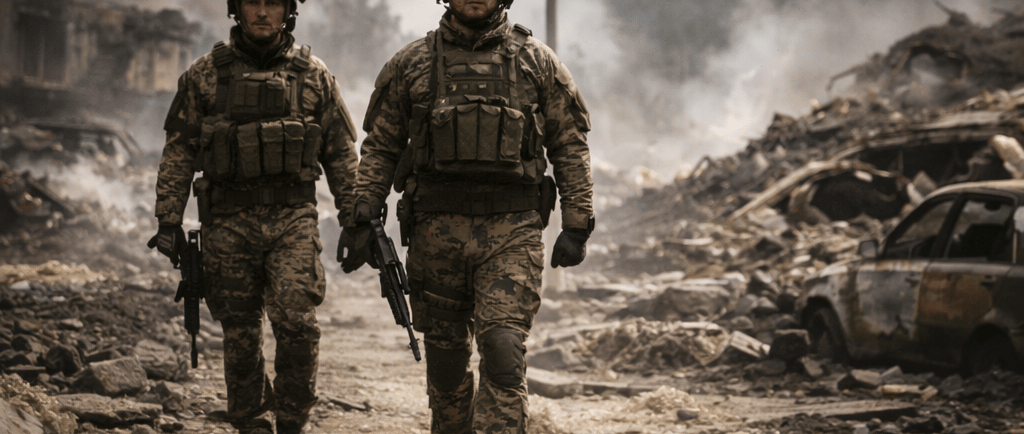
As the Ukraine-Russia conflict continues, the military situation on the ground remains a focal point of analysis. Recent developments show that Russia has intensified its attacks on Ukraine, particularly targeting the nation's energy infrastructure. These strategic strikes aim to undermine Ukraine's resilience during the harsh winter months, thereby exerting pressure on the Ukrainian government and its civilian population. The destruction of critical energy facilities has led to widespread outages and deteriorated living conditions, showcasing a tactical maneuver to weaken the Ukrainian state.
Moreover, Russia's longstanding demands concerning the Donbas region persist. The Kremlin seeks to formalize the control over territories within Donetsk and Luhansk, claiming a historical and cultural connection to the areas. This insistence on territorial claims complicates the negotiation landscape, as Ukraine remains adamant about its sovereignty and territorial integrity. The stakes are high, with both sides unwilling to concede, further entrenching the conflict and raising concerns about potential escalation.
The implications of ongoing military actions on the prospect of reaching a peace agreement are significant. Continued hostilities not only erode trust between the two nations but also impede diplomatic efforts. Each military engagement deepens the existing animosity, making it increasingly challenging for leaders to engage in constructive dialogue. The presence of armed confrontations disrupts any nascent peace initiatives and often results in a hardening of positions. Therefore, as military activities persist, the path to a peaceful resolution becomes more complex and fraught with obstacles, necessitating careful consideration and strategic planning from both sides.
The road to a successful peace agreement between Ukraine and Russia is fraught with significant challenges. Internal politics in both nations pose formidable obstacles. In Ukraine, the government faces pressure from nationalist factions that are resistant to any concessions aimed at appeasing Russia. This stems from a deeply ingrained sentiment against foreign aggression, rooted in historical grievances and recent conflicts. Leaders must balance internal demands with the imperative of achieving peace, making the negotiation process particularly complex.
Conversely, Russian leadership grapples with its own political realities. President Vladimir Putin's administration has consistently portrayed the conflict as a struggle against Western encroachment, fostering a narrative that positions Russia as a defender of its sovereignty and regional influence. This framing complicates the negotiation landscape, as any perceived weakness in negotiations may incite backlash from hardline elements within Russia. Thus, internal political pressures on both sides significantly impact the likelihood of reaching a peace accord.
National sentiments play a crucial role as well. In Ukraine, the populace largely views the conflict through the lens of national identity and resistance against foreign oppression, creating a challenging atmosphere for any leader who might consider compromise. Public opinion polls reflect a steadfast stance against concessions, even as the toll of war continues to mount. Conversely, in Russia, patriotic sentiments have been engineered and leveraged to strengthen support for the government, which can hinder diplomatic flexibility.
Furthermore, external pressures from geopolitical players complicate matters of negotiation. The ongoing involvement of NATO and the United States in supporting Ukraine has reinforced the latter's position, intensifying Russia's determination to resist perceived threats to its strategic interests. Allies and international stakeholders wield influence over both nations, making the negotiation dynamics even more intricate. The convergence of these factors creates significant hurdles to achieving a peace agreement before the impending June 2026 deadline.
Potential Outcomes of the June 2026 Deadline
The geopolitical landscape surrounding the Ukraine-Russia conflict is fraught with complexities that may change significantly by June 2026. Should an agreement be reached by this deadline, several potential outcomes could manifest. One scenario includes the establishment of a ceasefire and a framework for a lasting peace. This could pave the way for the resumption of diplomatic relations and economic cooperation between the two nations, which had been severely strained since the onset of hostilities. Additionally, a successful negotiation may encourage investments and reconstruction initiatives in the war-torn regions of Ukraine, fostering stability in Eastern Europe.
On the other hand, if no resolution is achieved by June 2026, the implications could be grave. Continued conflict may lead to extended violence, exacerbating humanitarian crises within Ukraine and potentially spilling over borders into neighboring countries. The international community, which has largely rallied behind Ukraine, may respond with intensified sanctions against Russia, further isolating it on the global stage. This could lead to a prolonged economic downturn in Russia, ultimately stifling any aspirations of revitalizing its military and geopolitical ambitions.
Moreover, the lack of consensus could trigger a fracturing in alliances, as neighboring nations may feel compelled to reassess their security postures and military investments. The reaction of the broader international community would also be instrumental. Regional powers could either bolster their military readiness in anticipation of continued instability or seek to mediate negotiations, reflecting a commitment to peace. Therefore, the June 2026 deadline serves not only as a critical milestone for Ukraine and Russia but also as a barometer for international diplomatic relations and global security strategy.
Conclusion: Looking Forward to Peace
As we reflect on the ongoing Ukraine-Russia conflict and the significance of the June 2026 deadline for negotiations, it becomes evident that diplomatic efforts are paramount in reaching sustainable solutions. Throughout this discussion, we have examined the evolution of the conflict, the myriad challenges faced by both nations, and the crucial role that international cooperation plays in facilitating dialogue. The relentless pursuit of peace must remain a collective priority, rooted in empathy and understanding, to transform aspirations into realities.
The importance of engaging in meaningful discussions cannot be overstated. Every negotiation presents a unique opportunity for both Ukraine and Russia to address grievances and foster a more stable environment conducive to long-lasting peace. The involvement of international stakeholders is equally vital; by supporting dialogue initiatives and creating frameworks that promote understanding, the global community can contribute to mitigating tensions and reinforcing cooperative relationships.
Looking forward, it is essential to embrace a hopeful perspective regarding the potential for a resolution to the conflict. While the path to peace may be fraught with obstacles, history has shown that sustained dialogue often leads to reconciliation. The vision of a peaceful coexistence not only benefits those directly involved but also fosters regional stability and global security. We must remain optimistic that through concerted efforts, adherence to diplomatic norms, and mutual respect, progress can be achieved in the quest for peace between Ukraine and Russia.
MSM GLOBAL NEWS
Follow news and analysis accurately.
All rights reserved MSM GLOBAL NEWS© 2026.