

Sanae Takaichi: Pioneering Leadership in Japan's Political Landscape
Sanae Takaichi, the first woman to lead Japan, won a landslide victory in snap elections, securing two-thirds of the lower house of parliament. This is the ruling party's (LDP) best result since 2017, reinforcing Takaichi's mandate to implement her economic and national defense agenda.
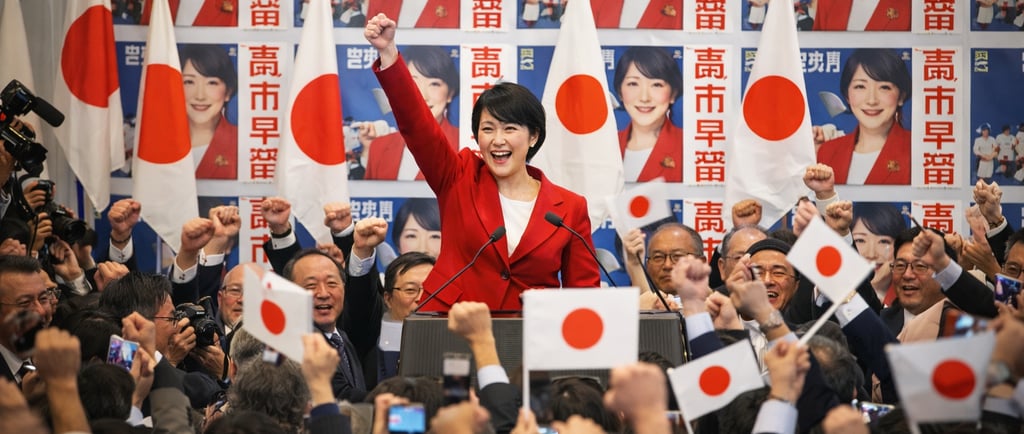
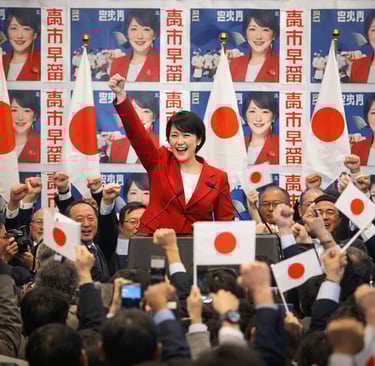
Introduction: A Historic Win for Japan
Sanae Takaichi's election as the first woman to lead Japan marks a significant milestone in the nation’s political history. Her ascent not only reflects a shift toward greater inclusion and representation within the political sphere but also symbolizes the breaking of longstanding barriers faced by women in leadership roles in Japan. Historically, the public sphere in Japan has been characterized by male dominance, with women often sidelined in the upper echelons of political power. Takaichi's achievement challenges these norms and inspires a new generation of female leaders.
The implications of Takaichi's victory extend beyond her individual success. As a member of the ruling Liberal Democratic Party (LDP), her leadership is poised to reshape the party's approach to governance and policy-making. The LDP has been instrumental in Japan's post-war political landscape, largely influencing the country's economic and social policies. By elevating a woman to the highest role within the party, the LDP sends a powerful message about its commitment to gender equality and modernization. This could potentially alter public perception of women in politics and encourage broader participation among females in future elections.
Moreover, Takaichi's leadership is indicative of changing social attitudes towards women in authority. With increasing advocacy for gender equality and women's rights, her role could catalyze further reforms aimed at increasing female representation in government and other spheres of public influence. The significance of her election reverberates beyond party lines, marking a moment of hopeful transformation for Japan's political fabric. As issues surrounding gender equality gain traction, Takaichi’s victory will undoubtedly serve as a touchstone in discussions about the future of leadership in Japan.
Sanae Takaichi, born on July 15, 1961, in Wakayama Prefecture, has carved a significant niche in Japan's political arena. Growing up in a modest family, her early life was characterized by a strong emphasis on education and community service, values that would ultimately shape her political career. After graduating from the prestigious Waseda University, where she majored in Political Science, Takaichi embarked on a journey that would see her rise through the ranks of Japan's Liberal Democratic Party (LDP).
Takaichi's political journey commenced in earnest in 1993 when she was elected to the House of Representatives. As a member of the LDP, she quickly established herself as a competent leader, serving in various roles that would enhance her political stature. Notably, her first notable appointment came in 2001 when she joined the Cabinet as the Minister for Internal Affairs and Communications, making her one of the first women to hold such a significant position in the Japanese government.
Throughout her career, Takaichi has held several critical posts, including Minister of State for Science and Technology Policy and Minister of State for Gender Equality. Her policy initiatives have focused on enhancing Japan’s technological advancements and advocating for women's rights, which have garnered her respect within and outside the party. Takaichi's commitment to promoting a robust economic strategy and national security has positioned her as a formidable force within the LDP.
Takaichi's leadership was further solidified with her rise to the role of party president. Her pioneering approach emphasizes the importance of continuity and stability, aiming to foster stronger ties between the Japanese government and its citizens. Takaichi's political journey exemplifies her dedication to public service, and her continued influence represents a shift towards more inclusive leadership within Japan's political framework.
The Snap Elections: Context and Key Factors
The snap elections in Japan, which played a significant role in shaping the political landscape, were influenced by various interconnected factors. One of the key elements leading to these elections was the prevailing political climate and the dynamic nature of public sentiment. In the years preceding the elections, Japan experienced various challenges, including economic fluctuations and the ongoing impact of the COVID-19 pandemic. These issues heightened the population's desire for stable leadership, paving the way for swift electoral action.
The Liberal Democratic Party (LDP), under the leadership of Sanae Takaichi, made several strategic moves that proved pivotal during this electoral period. By addressing concerns surrounding economic recovery, pandemic management, and national security, the LDP was able to align its messaging with the priorities of the electorate. Furthermore, Takaichi's emphasis on empowering women in politics and her strong endorsements for local businesses resonated well with many citizens, highlighting the importance of tailored policy proposals.
Voter turnout was another critical aspect that played a role in the outcome of the snap elections. Historically, Japanese elections have seen varying levels of participation; however, the 2022 elections saw an increased turnout due to heightened public engagement on key issues and the LDP’s mobilization efforts. The party's ability to galvanize support not only showcased its organizational capacity but also underscored the electorate's longing for decisive governance.
In conclusion, the confluence of public sentiment, strategic campaigning by the LDP, and significant voter engagement contributed to the favorable conditions surrounding the snap elections. This environment ultimately facilitated Takaichi's ascendancy as a prominent figure in Japan’s political landscape, as she emerged as a leader capable of addressing the complex needs of the nation.
The Landslide Victory: Election Results and Implications
In the recent elections, the Liberal Democratic Party (LDP) achieved a significant landslide victory, securing a two-thirds majority in the Diet. This outcome is particularly notable as it reinforces the party's dominance in Japan's political landscape, further solidifying the influence of Prime Minister Sanae Takaichi. The electoral triumph not only underlines the public’s confidence in the LDP's policies but also establishes a robust foundation for Takaichi to advance her agenda.
The implications of this landslide victory are profound. With the majority position, Takaichi is now positioned to implement her policy initiatives with greater ease, focusing on economic recovery and addressing national security challenges. The support from a solid parliamentary majority allows her administration to pursue its legislative priorities without the potential for destabilizing opposition. Furthermore, this electoral strength provides a buffer against the internal challenges that frequently arise in political dynamics.
However, it is crucial to recognize that while the LDP’s two-thirds majority offers a degree of stability, it does not eliminate the complexities of governance. Takaichi may still encounter hurdles, including managing factional disputes within her party and to maintaining public support in the face of opposition from other political entities and external pressures. The electorate's high expectations can also become a double-edged sword, where any missteps or failures to deliver on promises may lead to public discontent.
In the context of Takaichi’s leadership style, this election result sets the stage for a critical evolution in Japan's political narrative. Her ability to navigate the responsibilities associated with such a pivotal victory will ultimately determine the effectiveness and longevity of her administration. Thus, while the LDP's formidable majority presents opportunities, it also underscores the necessity for Takaichi to adopt a responsive and inclusive approach to governance for sustained success.
Takaichi's Economic Agenda: Vision for Japan
Sanae Takaichi, who has emerged as a prominent figure in Japan's political landscape, envisions a robust economic future for the nation. Her economic agenda emphasizes a multifaceted approach aimed at revitalizing Japan's economy amidst several ongoing challenges. Centered on recovery from the effects of the COVID-19 pandemic, Takaichi’s policies focus on stimulating growth through targeted investments, technological advancements, and labor reforms.
A key component of Takaichi's strategy includes a commitment to enhancing the national budget. She advocates for prioritizing fiscal policies that facilitate investments in sustainable technologies and infrastructure, recognizing the importance of such measures for long-term economic stability. By allocating the national budget to support sectors poised for growth, including green energy and digital transformation, Takaichi aims to drive economic recovery while positioning Japan as a leader in innovation.
In addition to her focus on budget priorities, Takaichi is also committed to reforming labor policies to adapt to the needs of a changing workforce. She underscores the importance of creating an inclusive labor market that encourages participation from diverse groups, including women and older workers. Furthermore, Takaichi promotes policies designed to raise wages and improve working conditions, ensuring that economic growth translates into tangible benefits for the population.
Trade and technological advancements play critical roles in Takaichi's economic vision as well. By advocating for policies that promote free trade and enhance Japan's competitive edge in global markets, she seeks to bolster the nation's economy through increased exports. Takaichi's focus on integrating futuristic technologies into various sectors aims to elevate productivity and foster innovation, paving the way for Japan to thrive in an increasingly interconnected world.
National Defense Policies: Strengthening Japan's Security
Sanae Takaichi’s approach to national defense reflects a proactive stance aimed at fortifying Japan's security in an increasingly volatile geopolitical environment. With the rise of regional tensions, particularly concerning North Korea's missile tests and China's assertive actions in the East China Sea, Takaichi advocates for a comprehensive review of Japan's defense capabilities. Central to her strategy is the enhancement of Japan’s Self-Defense Forces (SDF), emphasizing both modernization and increased operational capability.
Takaichi emphasizes the importance of military modernization as a critical component of her defense policy. This involves not only upgrading existing military assets but also integrating advanced technology such as cyber defense mechanisms and autonomous systems. Such advancements are essential to ensure Japan remains competitive and effective in responding to emerging threats, which require a shift from traditional defense strategies to a more flexible and adaptive military posture.
Moreover, Takaichi firmly believes in the significance of alliances and international collaboration in bolstering Japan's security framework. She advocates for strengthening Japan's relations with the United States, focusing on joint training exercises and intelligence sharing. Additionally, Takaichi is keen on expanding defense partnerships with other nations in the Indo-Pacific region to ensure collective security against shared threats. Her stance involves not only reliance on traditional allies but also the pursuit of new partnerships to enhance regional stability.
By articulating a clear vision for Japan's national defense that includes military modernization, alliances, and international cooperation, Takaichi is addressing both current and future security challenges. Her leadership reflects a commitment to a robust defense posture that prioritizes Japan's sovereignty while contributing to regional and global security frameworks.
Conclusion: Looking Ahead to Takaichi's Leadership
The appointment of Sanae Takaichi as a pivotal figure in Japan's political landscape marks a significant transition in leadership dynamics. As the first female leader in Japan, her role transcends beyond mere representation; it symbolizes a progressive stride towards gender equality in governance. Observers and political analysts are closely monitoring the implications of her leadership, particularly as she seeks to implement policies that resonate with contemporary societal needs and challenges.
Anticipated under Takaichi’s administration is a robust emphasis on economic revitalization amid fluctuating global markets. Her policies are expected to focus on stimulating growth while ensuring the sustainability of governmental debt levels. Analysts speculate that her experience in managing prior economic initiatives could provide the necessary insight to navigate these complex issues effectively.
Moreover, Takaichi's approach may also redefine Japan's foreign relations, particularly with neighboring countries and major global powers. In the context of an evolving geopolitical landscape, her stance on defense and international cooperation will be crucial. Observers predict that her leadership might usher in a new era of diplomatic engagement, which could reshape Japan’s role on the global stage.
While potential challenges lie ahead, including domestic opposition and the need for strategy alignment among party stakeholders, Takaichi’s pioneering role bolsters the expectations surrounding her capability to lead. Many believe that her policies can cultivate a more inclusive political climate, propelling Japan towards an era of comprehensive governance that prioritizes diverse voices and perspectives.
In conclusion, the future of Japan under Sanae Takaichi’s leadership is imbued with optimism and apprehension alike. Her pioneering status as a female leader inevitably influences public perception and might set a precedent for future leaders in Japan's largely male-dominated political arena. The coming years will reveal the depth of her impact, shaping not only her legacy but also the country's trajectory as a whole.
MSM GLOBAL NEWS
Follow news and analysis accurately.
All rights reserved MSM GLOBAL NEWS© 2026.